

Transform your kitchen or bathroom in minutes with Art3d's 102-piece glossy white subway tile set—no grout, no mess, no contractor needed. These waterproof, heat-resistant peel and stick tiles solve the problem of outdated walls and costly renovations, offering 12.75 sq ft of elegant coverage that installs in hours, not days. Perfect for DIYers and renters seeking an instant, budget-friendly upgrade that delivers professional results.
This post contains affiliate links. If you purchase through a link on this page, we may earn a commission at no extra cost to you. As an Amazon Associate, we earn from qualifying purchases.
Most peel and stick tile reviews treat every wall in the house the same way, but this material genuinely performs differently depending on where it goes. Rather than a straight features list, this review is organized around where this specific peel and stick wall tile actually works well, where it doesn’t, and what independent hands-on testing of this same brand found.
That last part matters more than it might seem. A lot of peel and stick wall tile marketing describes the material in universal terms — waterproof, heat-resistant, looks just like real tile — without acknowledging that performance actually depends heavily on where in the home it’s installed.
Table of Contents
What Is This Peel and Stick Wall Tile?
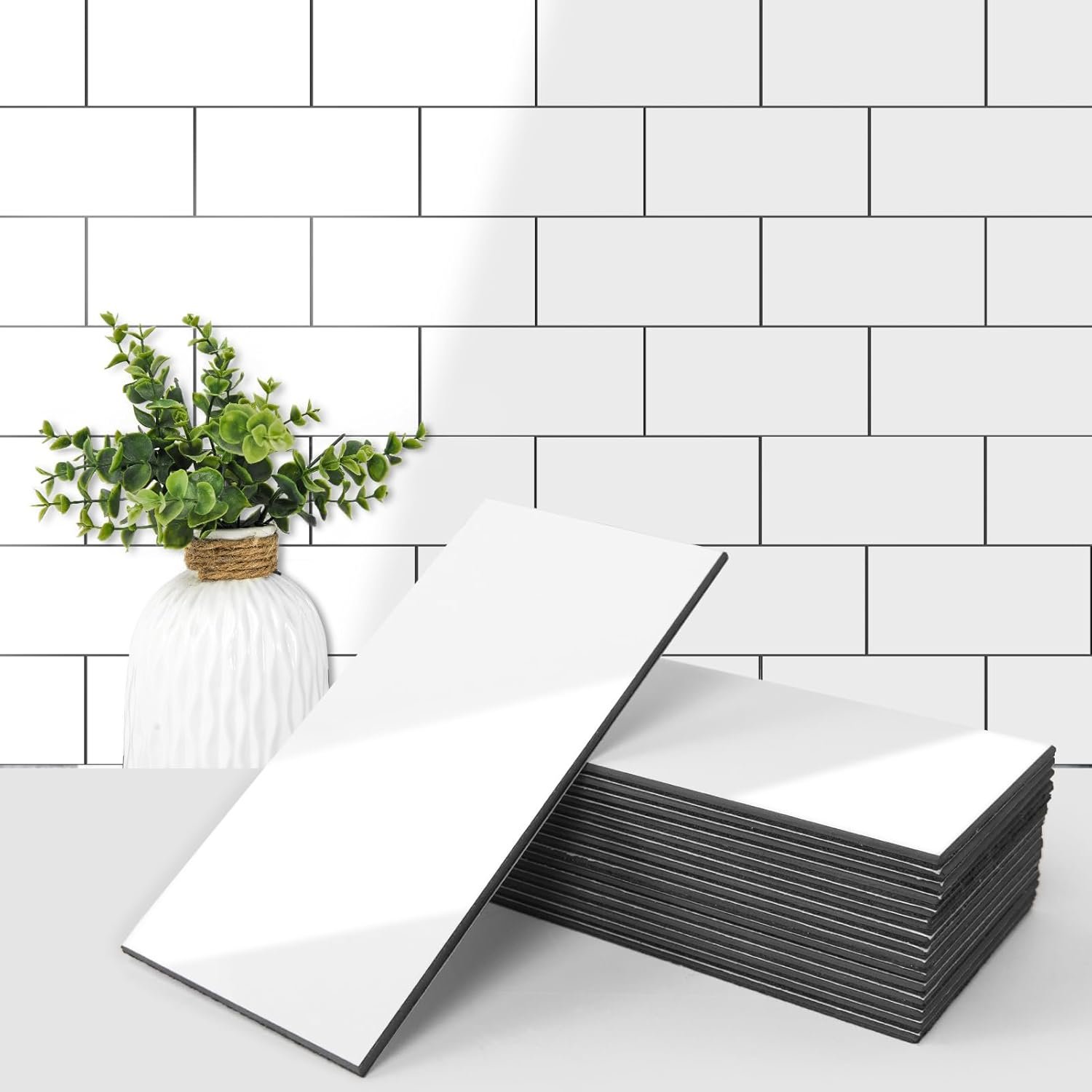
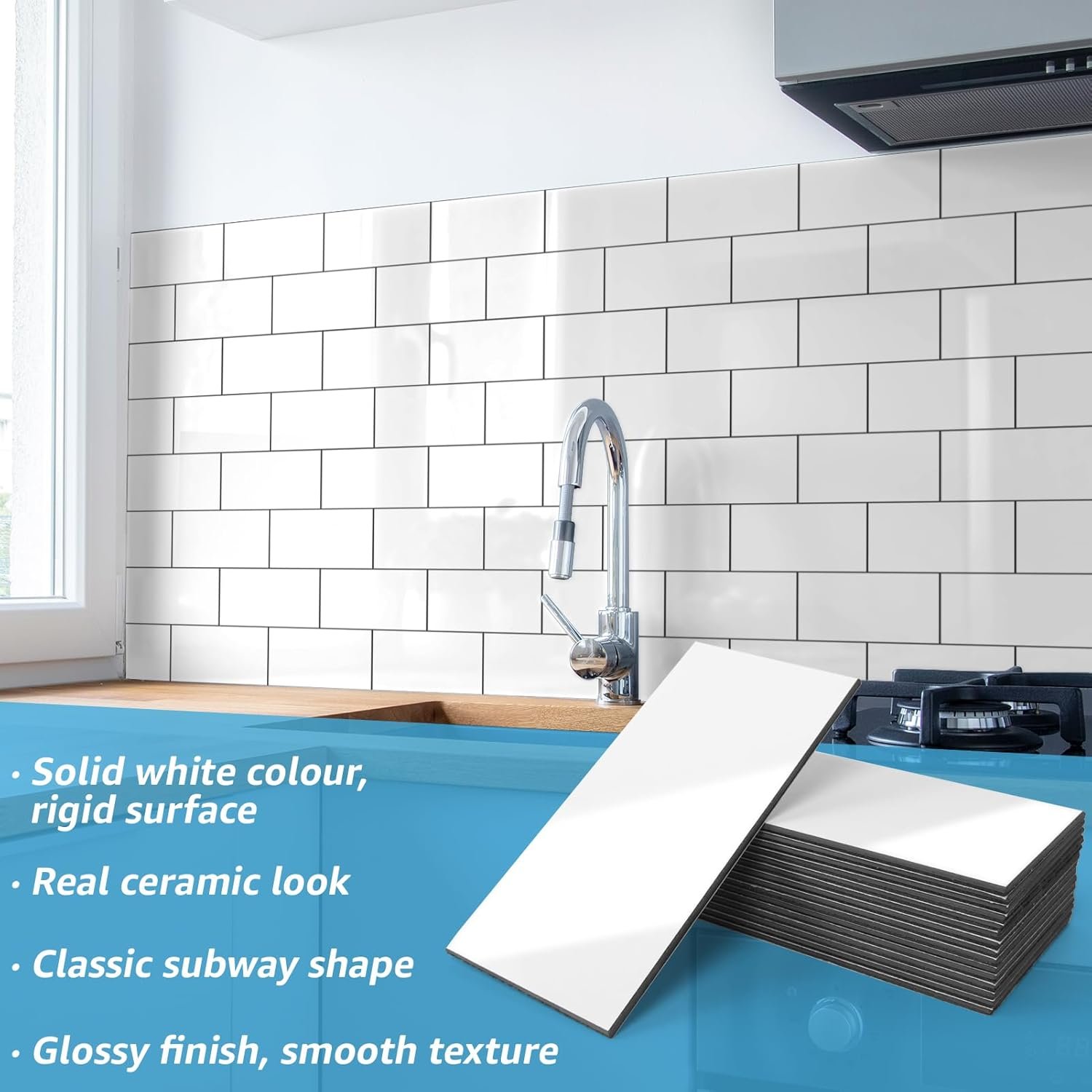
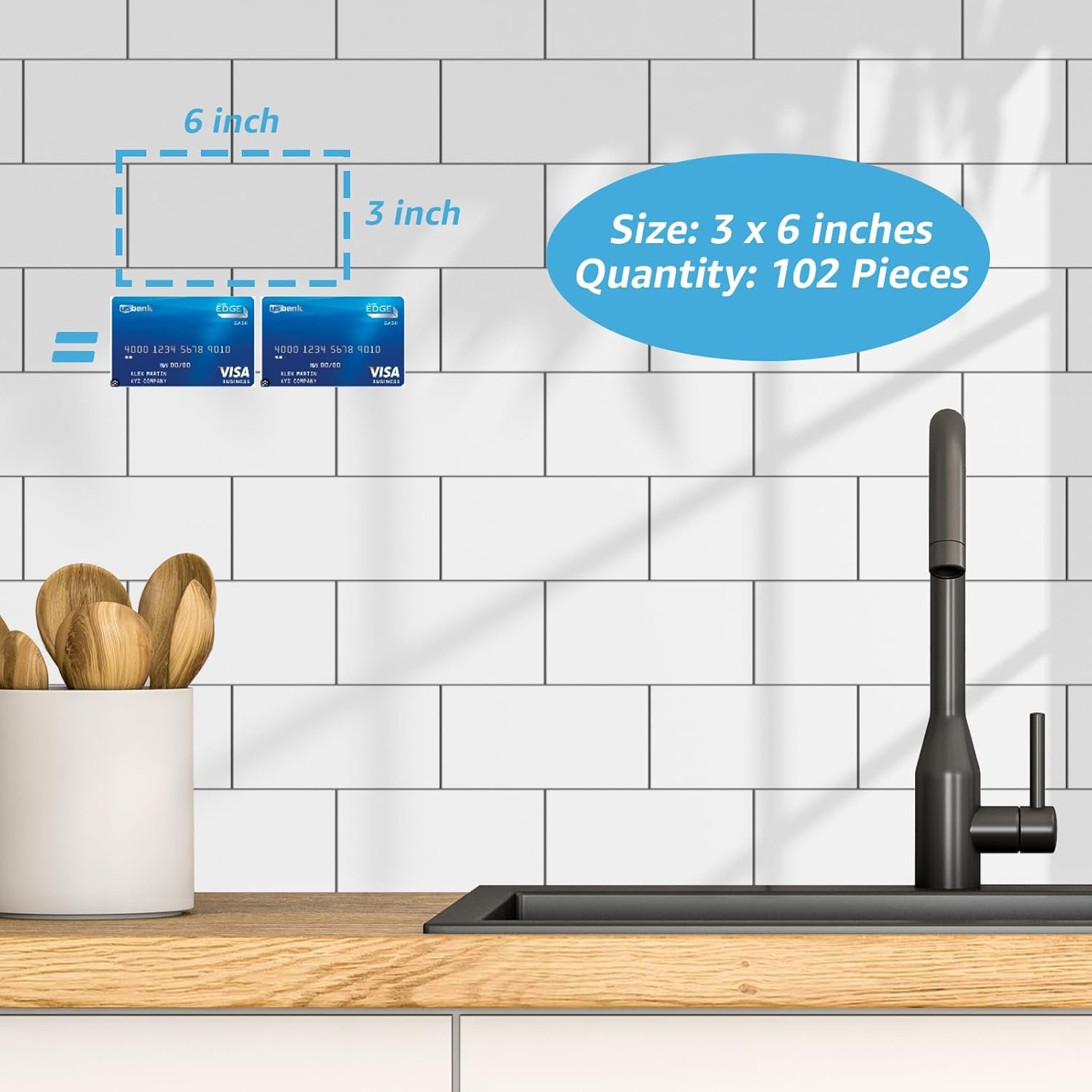
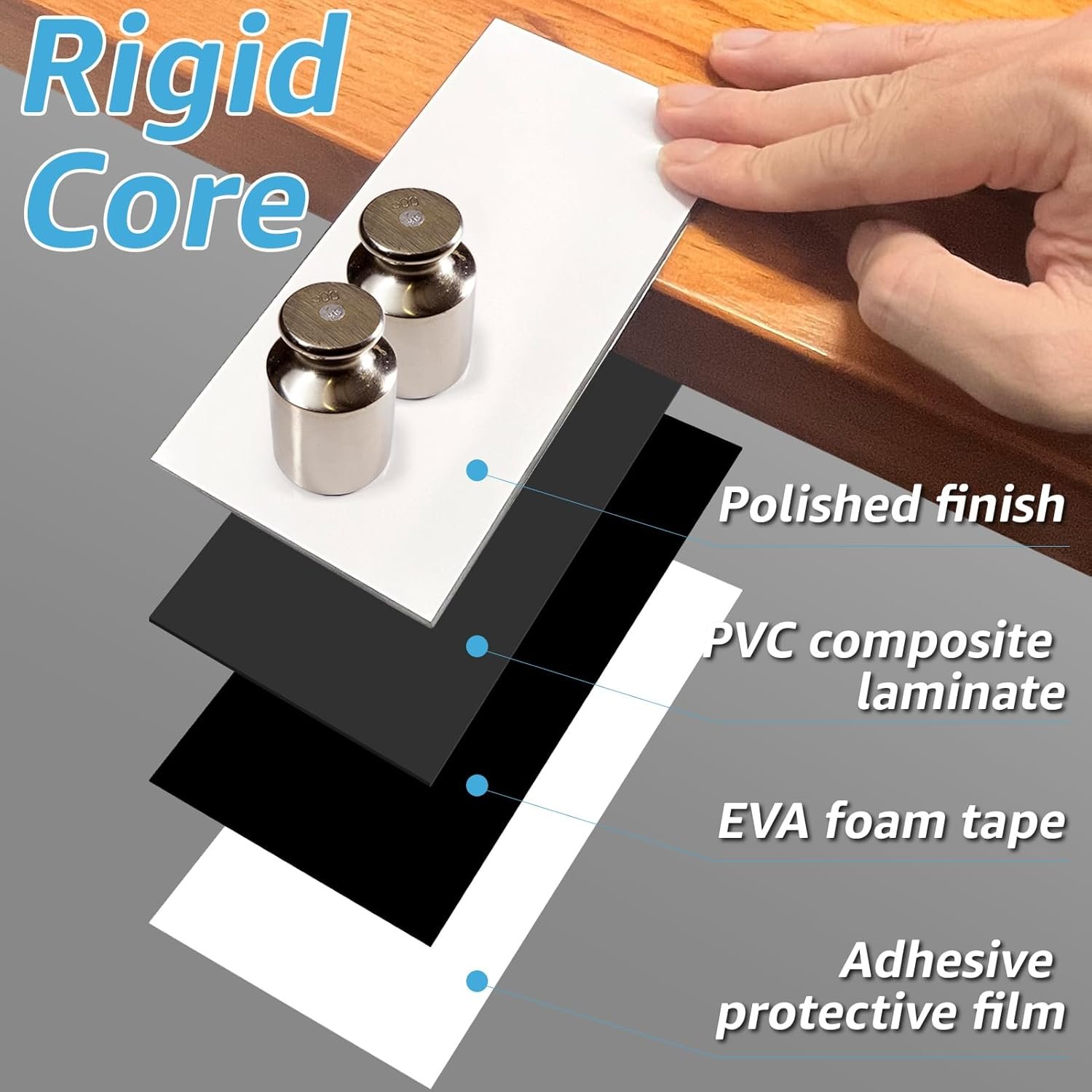
This is the Art3d 102-piece peel and stick wall tile set, a glossy white subway-style peel and stick wall tile made from PVC. Each piece measures 3″ x 6″, and the full set covers approximately 12.75 square feet — enough for a full kitchen backsplash or a smaller accent wall project without needing to order a second box mid-installation.
Key Specs for This Peel and Stick Wall Tile at a Glance
- Material: Polyvinyl Chloride (PVC)
- Tile Size: 3″ x 6″ per piece
- Coverage: 102 pieces, approximately 12.75 sq ft
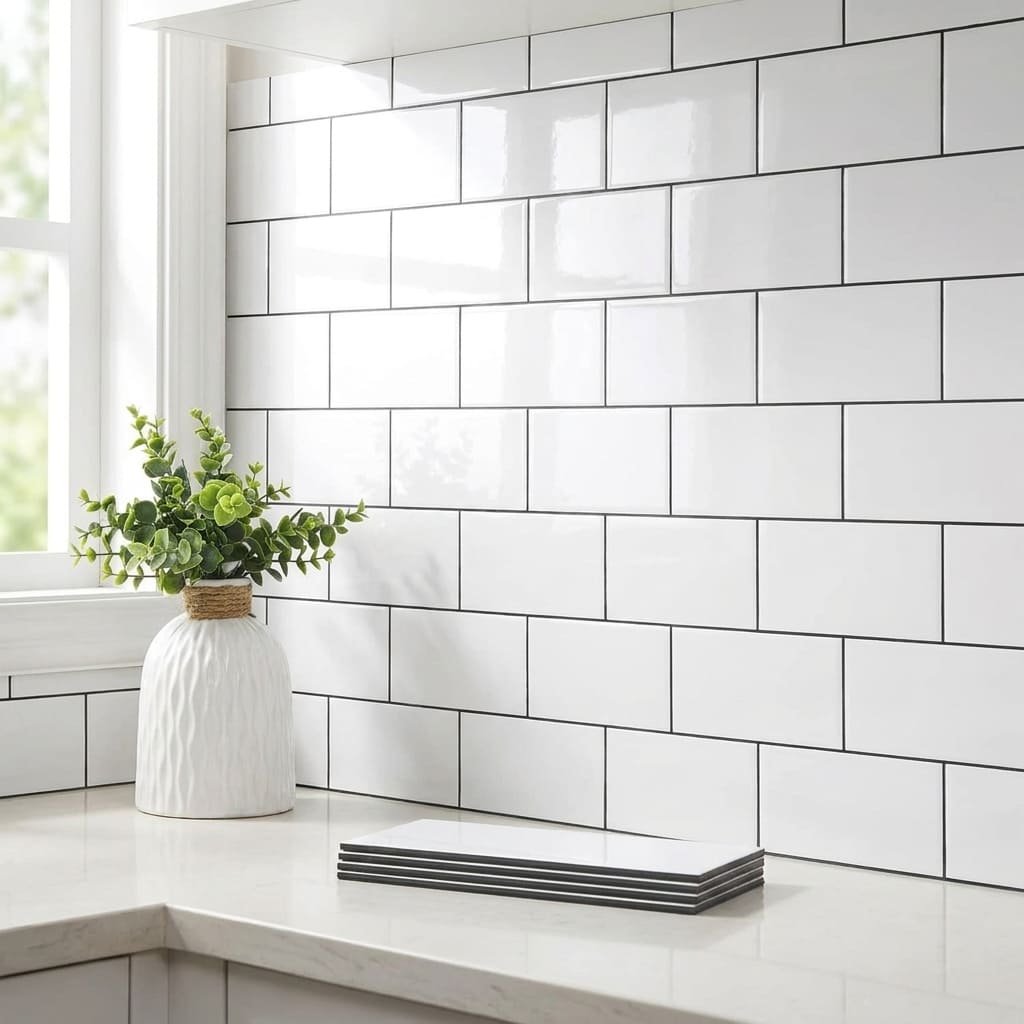
- Finish: Glossy white, polished subway-tile shape
Where This Peel and Stick Wall Tile Works Well
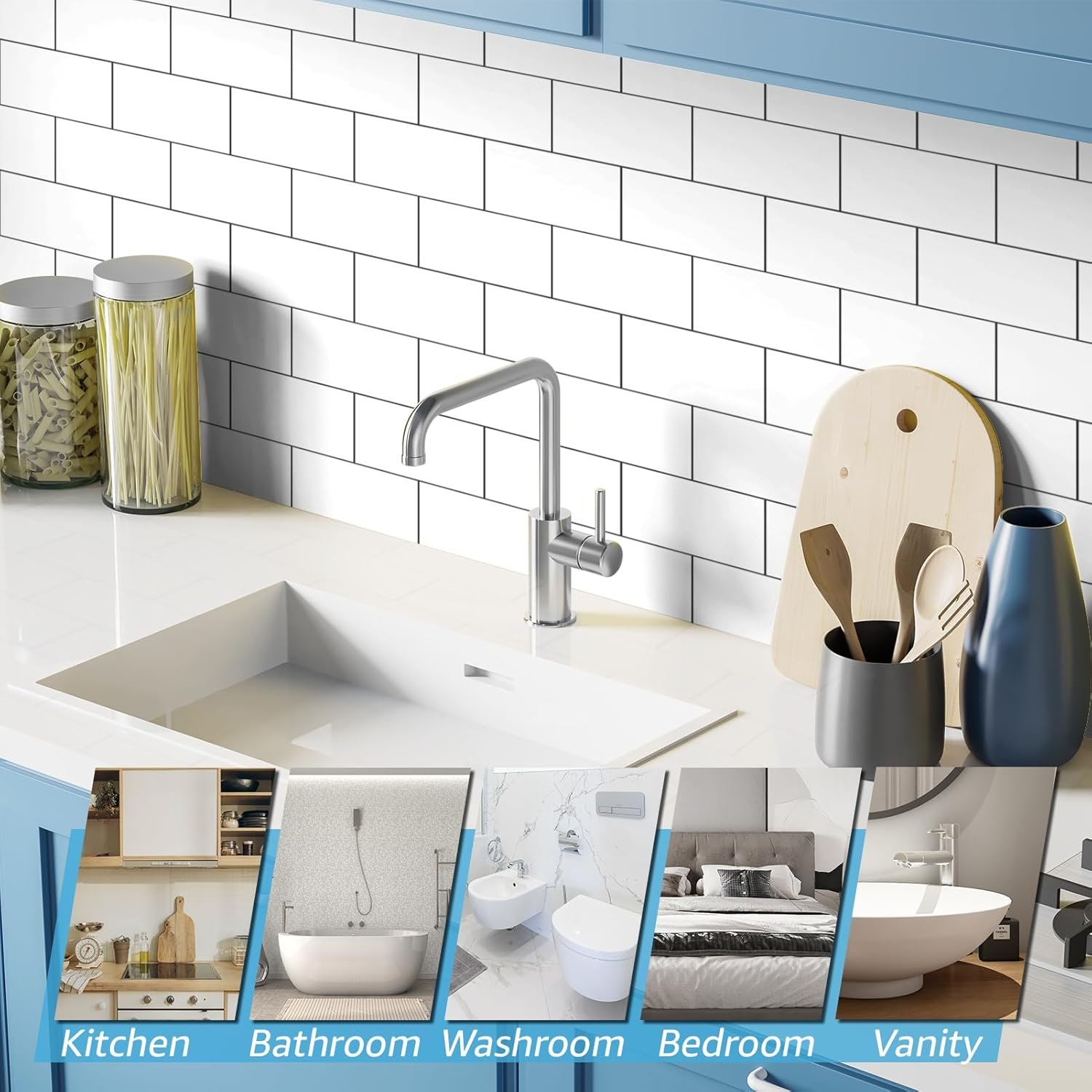
Kitchen backsplashes away from direct heat. This peel and stick wall tile installs cleanly over a clean, smooth painted or drywall surface, and the glossy finish reflects light nicely above a counter or sink area. This is the classic, best-suited use case for this peel and stick wall tile.
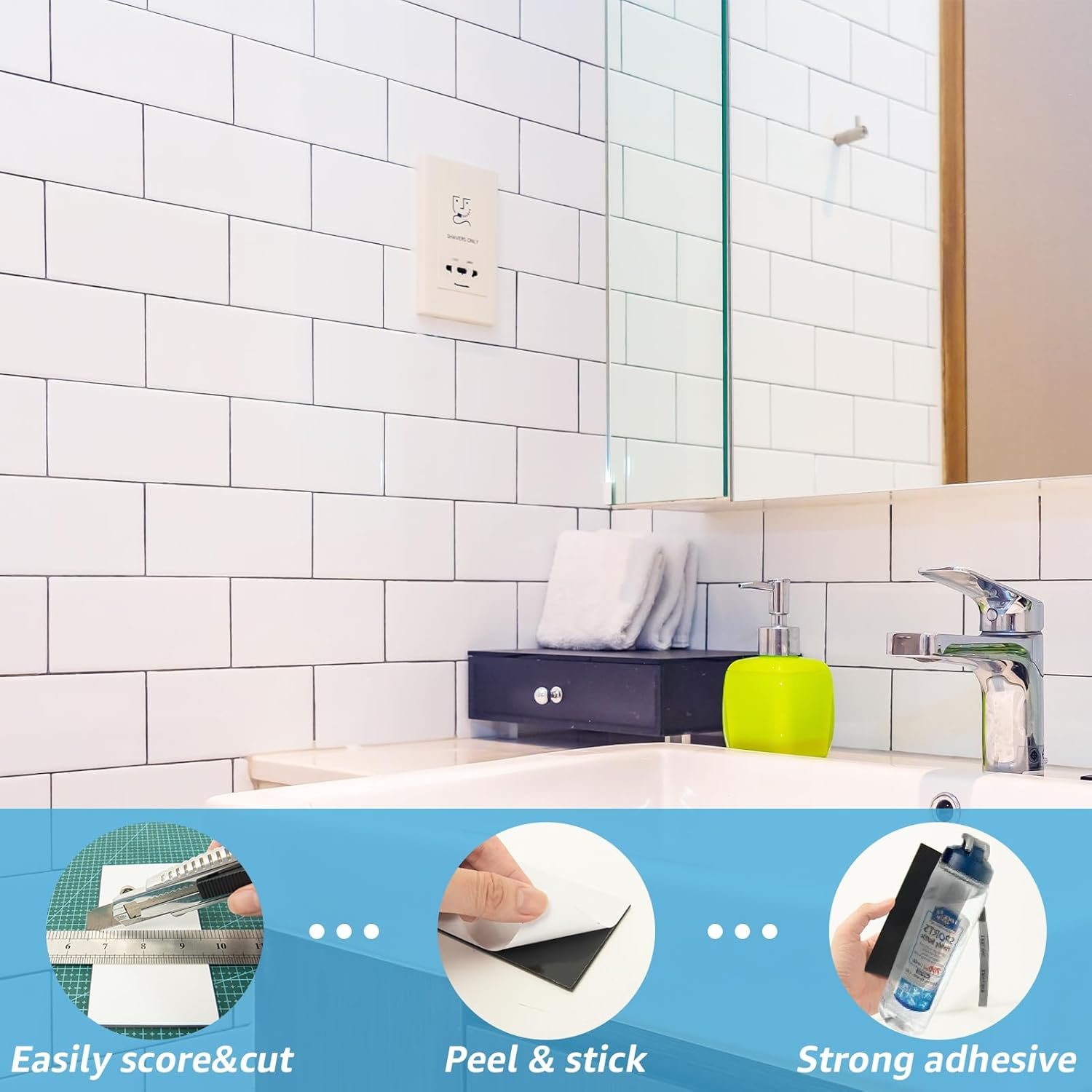
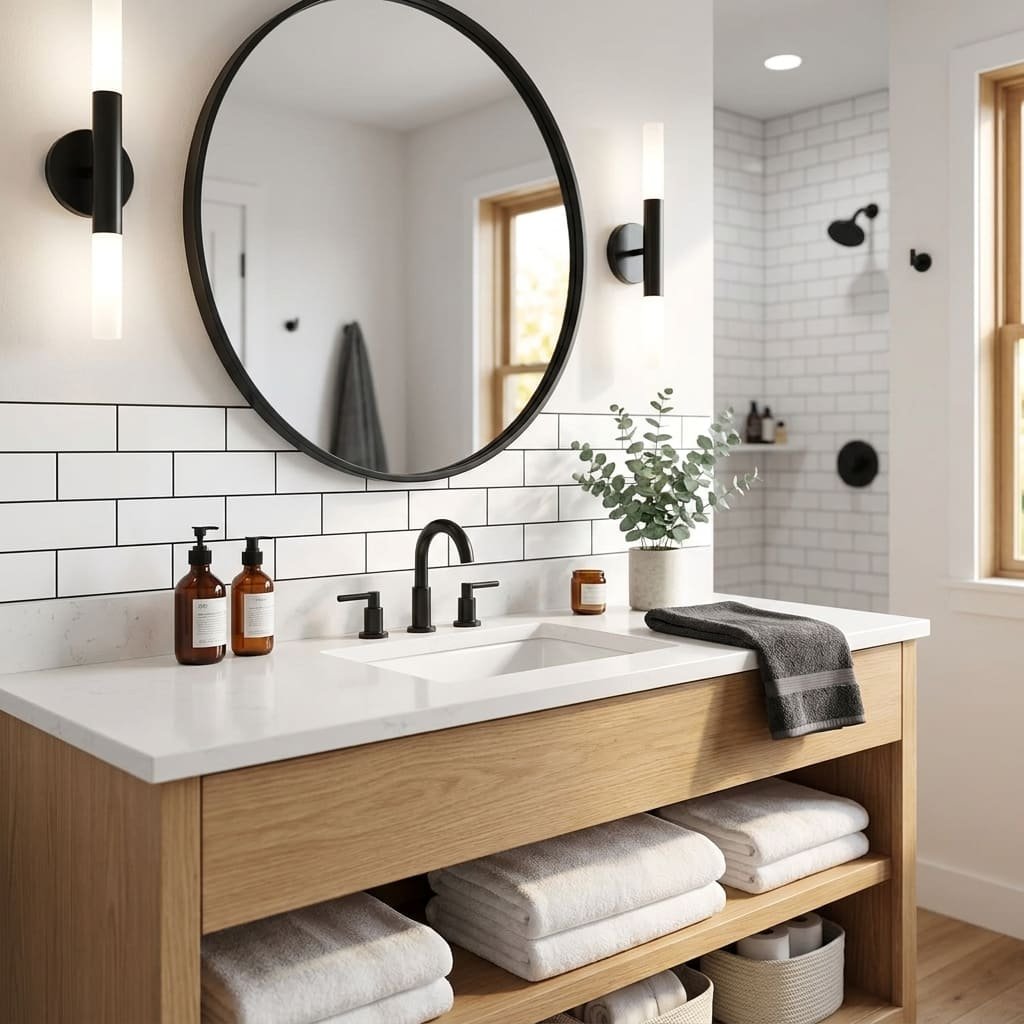
Bathroom walls outside the direct spray zone. A vanity backsplash or an accent wall away from the shower or tub handles moisture from everyday splashing just fine. This is different from a shower surround, which sees constant, direct water exposure — a distinction worth understanding before buying peel and stick wall tile for a bathroom specifically.
Rental upgrades and accent walls. Since nothing about installation requires drilling, grout, or permanent adhesive into the wall structure itself, this peel and stick wall tile is a reasonable way to update a rented kitchen or bathroom without violating a lease, provided removal is tested carefully in an inconspicuous spot first.
Laundry rooms and small accent areas. Lower-traffic, lower-moisture spaces are an easy, low-risk place to start if you’re testing whether peel and stick wall tile is right for your home before committing to a larger kitchen project. A small laundry room or mudroom accent wall is a genuinely good way to learn the cutting and layout process on a forgiving, low-stakes surface before tackling a full kitchen wall.
Where This Peel and Stick Wall Tile Doesn’t Work As Well
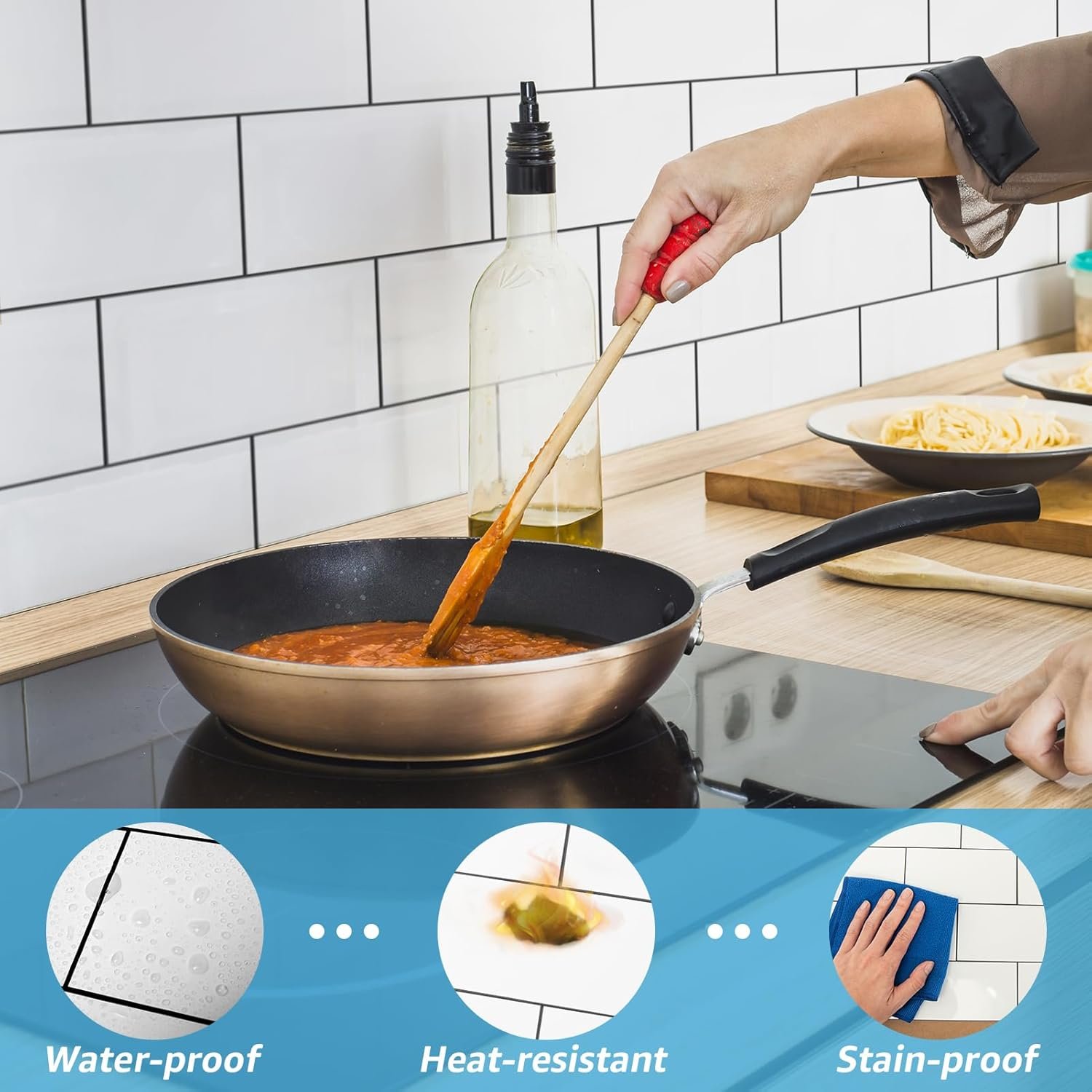
Directly behind a stove or cooktop. This is the single most common misuse of any peel and stick wall tile, not just this one. Standard PVC and vinyl tiles are not rated for sustained direct heat exposure, and installing them too close to an open flame or a burner risks discoloration, curling, or adhesive failure over time. A minimum clearance of several inches from the heat source — and checking the specific manufacturer guidance for this exact tile — matters more here than almost any other placement decision for peel and stick wall tile generally.
Shower and tub surrounds with direct water spray. Despite “waterproof” language commonly used in peel and stick wall tile marketing, this material category is generally better described as water-resistant for splashes and steam, not built for constant direct water spray the way a true shower wall needs to be. Using any peel and stick wall tile inside an actual shower stall is a common source of disappointing results.
Heavily textured or uneven walls. Peel and stick wall tile needs a genuinely smooth, clean surface to adhere properly. Textured plaster, heavily patterned wallpaper, or uneven old paint will undermine adhesion regardless of how good the tile itself is, and no amount of pressing harder during installation fixes a fundamentally incompatible surface.
What Real Testing Found
Independent hands-on testing matters more than marketing copy for a product like this, so it’s worth looking at what happened when this same brand’s peel and stick wall tile was actually installed and lived with. Bob Vila’s product testing team evaluated Art3d’s peel and stick tile line directly, rating it their “Best Bang for the Buck” pick among ten backsplash products tested.
Their hands-on notes are useful context for this specific 102-piece set: the material felt “a little too flexible and thin to convincingly mimic real tile,” and while it was easy to cut, achieving precise cuts around outlets took some care. The adhesive backing was described as functional but “a little flimsy during installation” compared to pricier competitors, though it still held up under normal use. Their overall verdict was a genuinely positive one for the price point — a budget-friendly peel and stick wall tile option that delivers a decent result, without pretending to be indistinguishable from real tile up close.
The same source also directly addresses two of the misuse scenarios above: most peel and stick wall tile can handle stove-adjacent placement if it’s specifically rated for it (checking the product literature first is the deciding factor), and this entire product category is explicitly not designed for direct water spray inside a shower.
Installation Reality Check
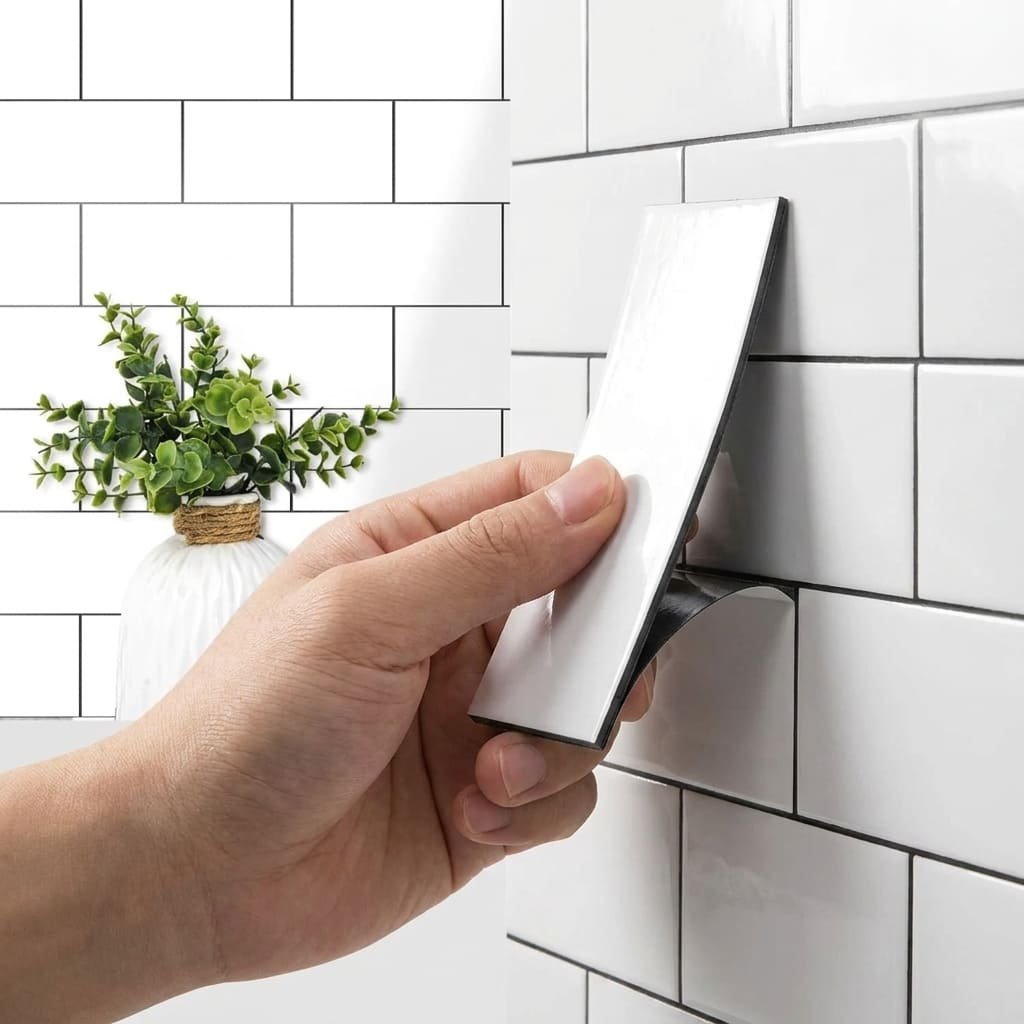
The basic installation process is genuinely simple: clean the wall, peel the backing, and press the tile into place, working from a level starting line rather than one edge of the counter. No grout, adhesive, or specialized tools are required beyond scissors or a utility knife for trimming around outlets and corners.
The part that trips people up isn’t the peeling and sticking itself — it’s precise cuts around outlets and fixtures, and getting the first row level, since every tile after it follows that initial line. Dry-fitting a layout on the countertop before committing to adhesive placement is a simple way to avoid an uneven finish, especially near the edges of a wall, and it’s a step that’s easy to skip when eager to get the project done in an afternoon.
What to Look for in Peel and Stick Wall Tile
If you’re comparing this peel and stick wall tile against other options, a few things are worth checking:
- Manufacturer heat rating — if any portion of the wall is near a stove, confirm the specific product is rated for that placement rather than assuming all peel and stick wall tile handles heat the same way.
- Interlocking vs. flat edges — tiles with staggered, interlocking edges tend to hide seams better than flat-edge panels.
- Surface prep requirements — a smooth, clean wall is non-negotiable for proper adhesion, regardless of brand.
- Realistic material expectations — PVC peel and stick wall tile looks good from normal viewing distance but generally doesn’t fully replicate the weight and texture of real ceramic or stone up close.
- Removal expectations for renters — test removal in a small, hidden spot first, since adhesive strength varies noticeably between brands and even between product lines from the same brand.
- Independent testing versus marketing copy — third-party reviews that actually install and live with the product for a period of time tend to be far more reliable than a manufacturer’s own listing description.
None of this requires specialized contractor knowledge — a few minutes of research before buying any peel and stick wall tile goes a long way toward avoiding a mismatched installation.
Who Should Buy This Peel and Stick Wall Tile?
This peel and stick wall tile is a good fit for anyone tackling a budget-conscious kitchen or bathroom refresh, renters who want a low-commitment upgrade, and DIYers comfortable with basic cutting and layout work. The glossy white subway look is a safe, classic choice that fits a wide range of kitchen styles, from traditional to more modern minimalist spaces.
It’s probably not the right choice for anyone planning to install directly behind a stove without checking heat ratings first, inside an actual shower enclosure, or on a textured wall that hasn’t been prepped. If you’re weighing other home improvement upgrades, our Home Improvement reviews cover additional options worth comparing.
How We Evaluated This Product
This review is based on the manufacturer’s published specifications, cross-referenced against independent hands-on testing of this same product line from Bob Vila, along with general guidance on peel and stick tile placement, heat exposure, and moisture tolerance across the wider category.
Frequently Asked Questions
Can I install this peel and stick wall tile behind my stove? Check the specific heat rating in the product literature first — most peel and stick wall tile handles moderate heat but isn’t rated for placement directly against an open flame or burner without adequate clearance.
Is this peel and stick wall tile actually waterproof? It’s water-resistant for splashes and steam, which is fine for a kitchen backsplash or bathroom vanity wall, but it’s not built for constant direct water spray like an actual shower enclosure.
Will this peel and stick wall tile look like real tile up close? Independent testing found the material looks good at a normal viewing distance but feels somewhat thinner and more flexible than real ceramic tile when examined closely.
Can renters remove this peel and stick wall tile without damaging the wall? Often yes, but results vary by brand and how long the tile has been installed — testing removal in a small, hidden area first is the safest approach before committing to a full wall.
Does this peel and stick wall tile work over existing tile? Generally yes, as long as the existing surface is clean, flat, and free of texture or damage that would interfere with adhesion.
How difficult are the cuts around outlets and corners? This is the most commonly reported installation challenge with this peel and stick wall tile — a sharp utility knife or scissors and a paper template for tricky spots make the process considerably easier.
How does this peel and stick wall tile compare to pricier competitors? Independent testing rated it a strong value pick specifically, noting the trade-off is a slightly thinner, more flexible feel compared to premium options, in exchange for a lower price point.
Final Verdict on This Peel and Stick Wall Tile
This peel and stick wall tile earns a genuinely positive verdict when it’s used for what it’s actually built for: a budget-friendly kitchen or bathroom refresh in a location with normal splash exposure and reasonable heat clearance. Independent testing of this same product line backs that up, rating it a strong value pick even while noting the material feels thinner than real tile up close.
The honest caveat is placement-specific, not product-specific: skip direct stove-adjacent zones without checking the heat rating, skip actual shower enclosures, and make sure the wall underneath is genuinely smooth before starting. Match this peel and stick wall tile to the rooms and spots it’s actually designed for, and it delivers a legitimately good result for the price.
None of this makes this peel and stick wall tile a lesser choice compared to real tile — it makes it a different tool for a different job, one better suited to budget-conscious refreshes and rental-friendly upgrades than to a permanent, high-heat kitchen renovation.
This article reflects publicly available product information and independent third-party testing; individual results can vary based on wall condition, installation care, room type, and specific placement relative to heat and water sources.