
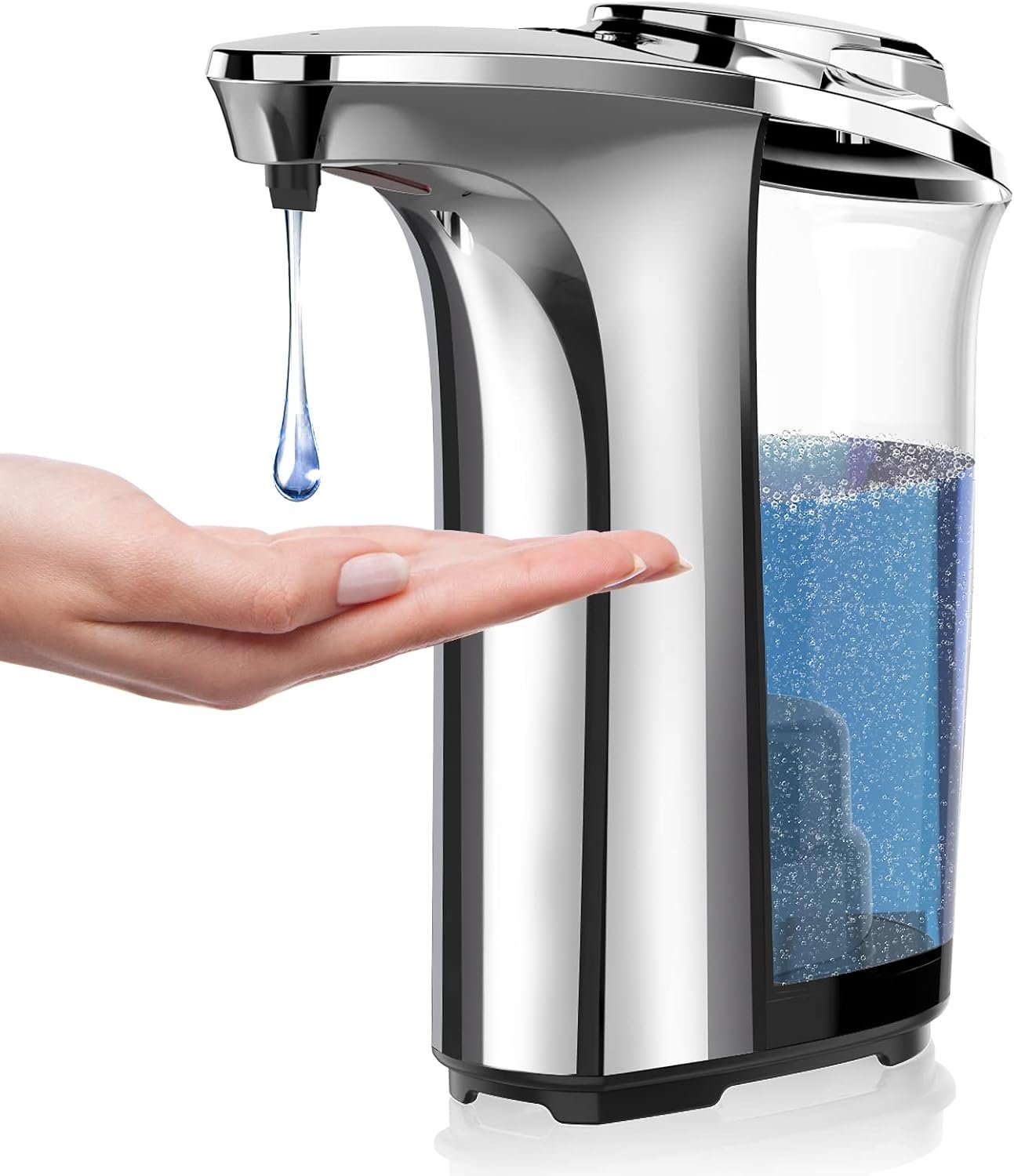
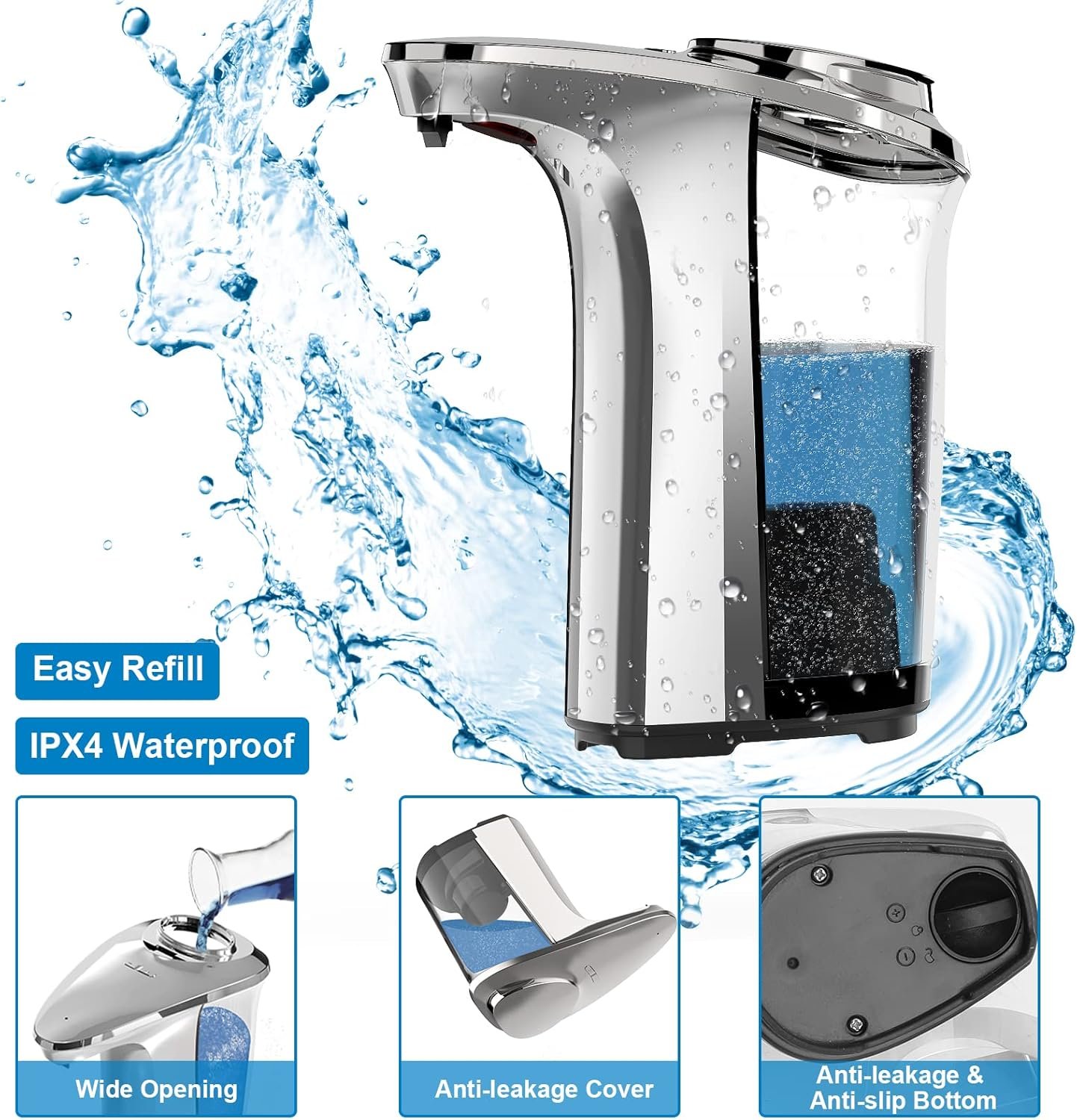

Tired of messy soap pumps and constant counter cleanup? The PZOTRUF Automatic Soap Dispenser eliminates germs and drips with touchless infrared technology and a no-drip spout. Featuring a large 17oz capacity, five adjustable dispensing levels, and sleek waterproof design, it keeps your kitchen and bathroom hygienic and clutter-free. Upgrade your handwashing experience today.
This post contains affiliate links. If you purchase through a link on this page, we may earn a commission at no extra cost to you. As an Amazon Associate, we earn from qualifying purchases.
Most automatic soap dispenser listings lead with vague words like “convenient” and “modern” without explaining what specific everyday problem they’re actually solving. This review takes the opposite approach: five real frustrations this automatic soap dispenser addresses, two things it honestly doesn’t, and what the actual research says about whether touchless dispensing improves hygiene the way marketing implies.
Framing it this way matters, since “upgrade your hygiene routine” is the kind of phrase that sounds meaningful without actually telling you anything useful about whether this specific automatic soap dispenser solves a problem you actually have in your own home.
Table of Contents
What Is This Automatic Soap Dispenser?
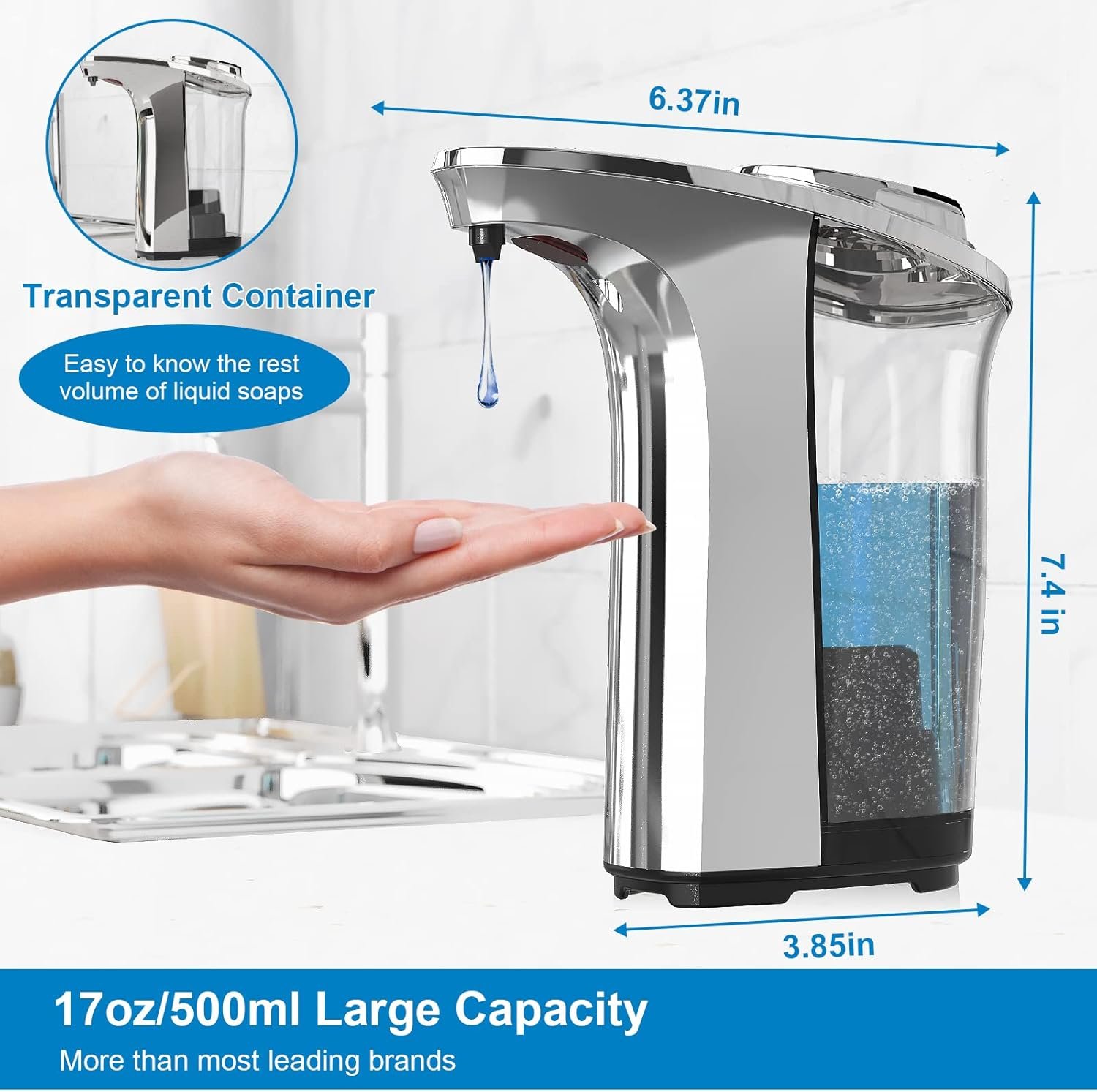
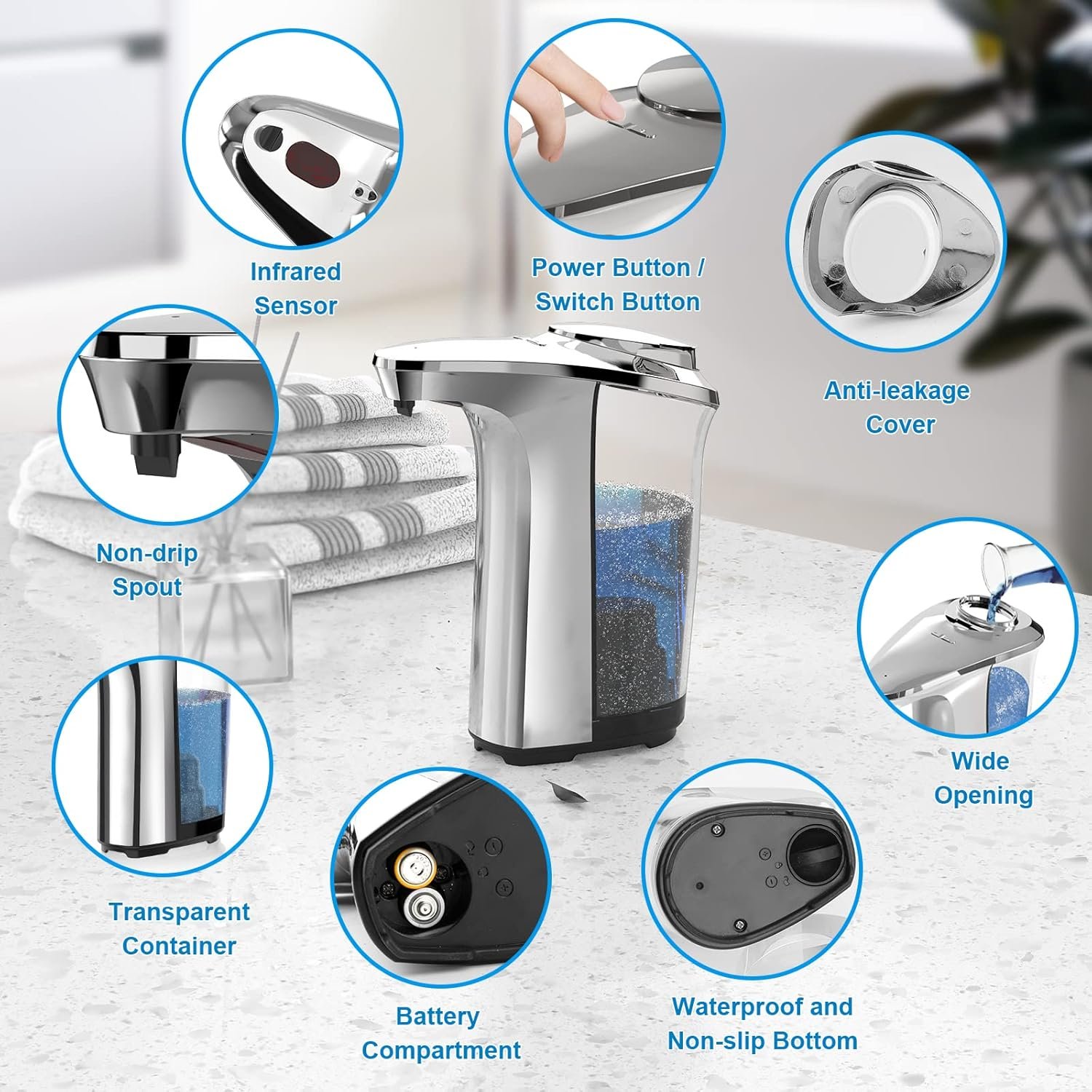
This is the PZOTRUF Automatic Soap Dispenser, a 500ml (17oz) touchless unit using infrared motion detection to dispense soap without contact. It runs on 4 AA batteries, requires no wiring, and offers five adjustable output levels to control how much soap comes out per use, which is a genuinely useful degree of control most basic pump bottles don’t offer at all.
Key Specs at a Glance
- Capacity: 500 ml (17 oz)
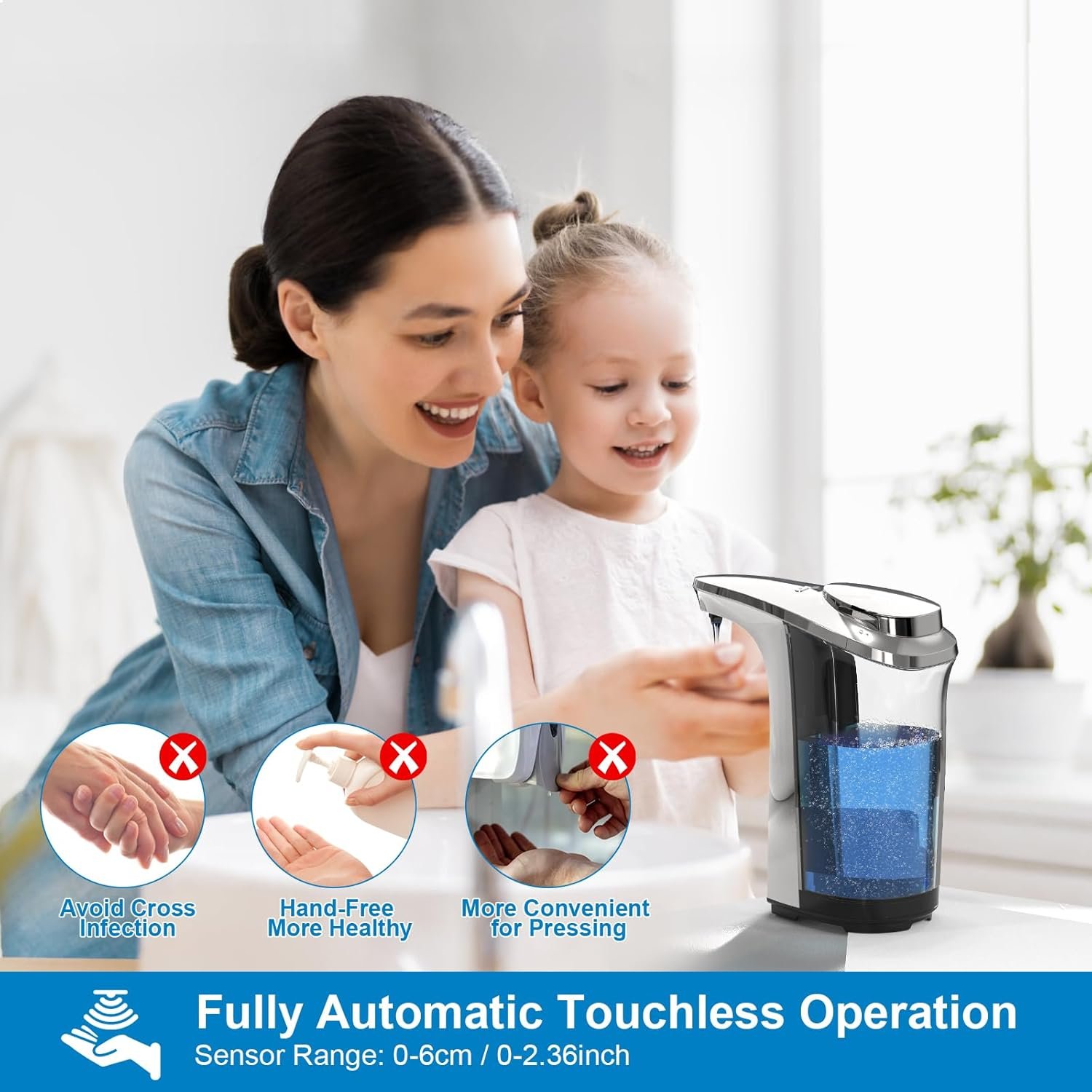
- Sensor Range: 0–2.36 in (0–6 cm) infrared motion detection
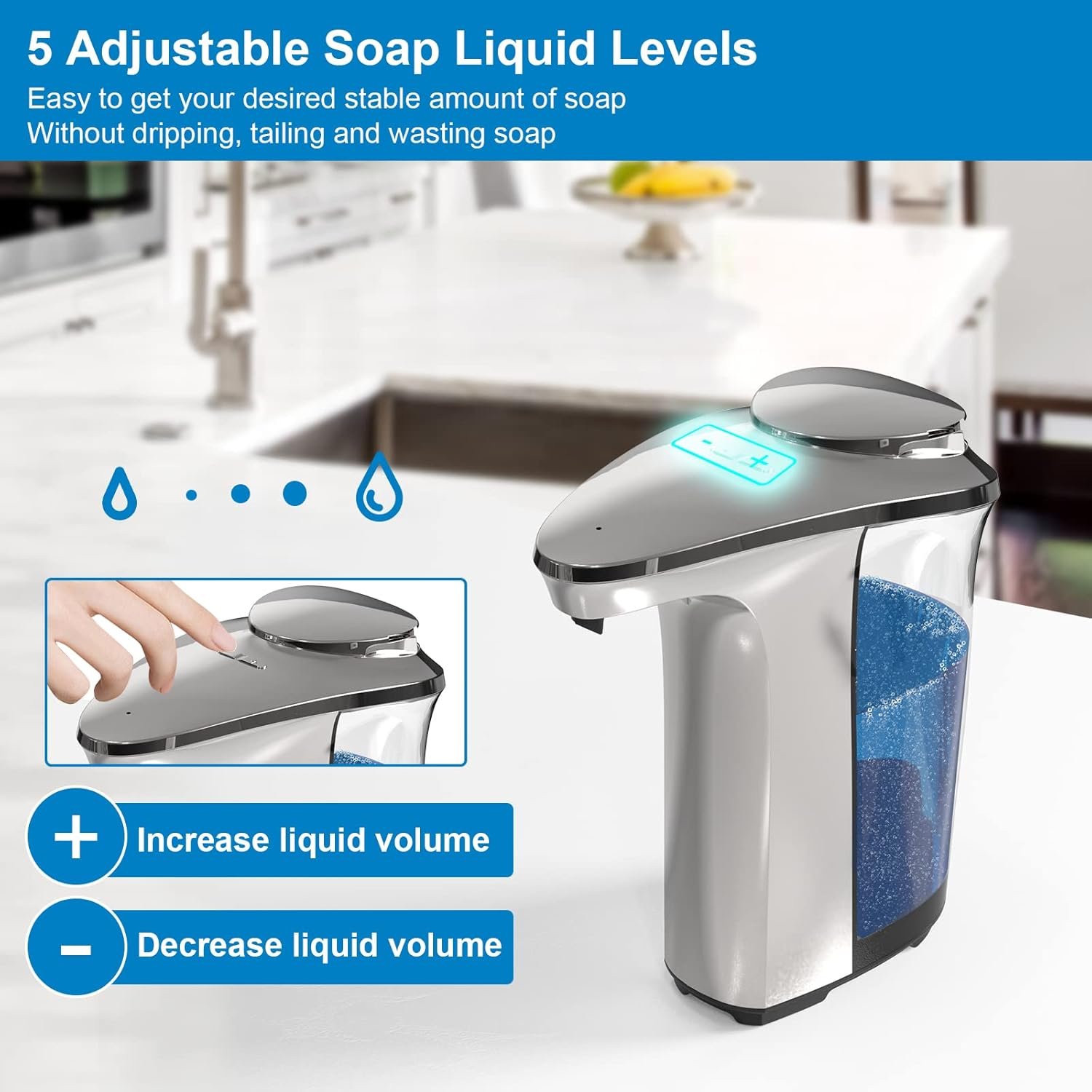
- Output Settings: 5 adjustable dispensing levels
- Power: 4 x AA batteries, battery-operated
The 5 Everyday Frustrations This Automatic Soap Dispenser Solves
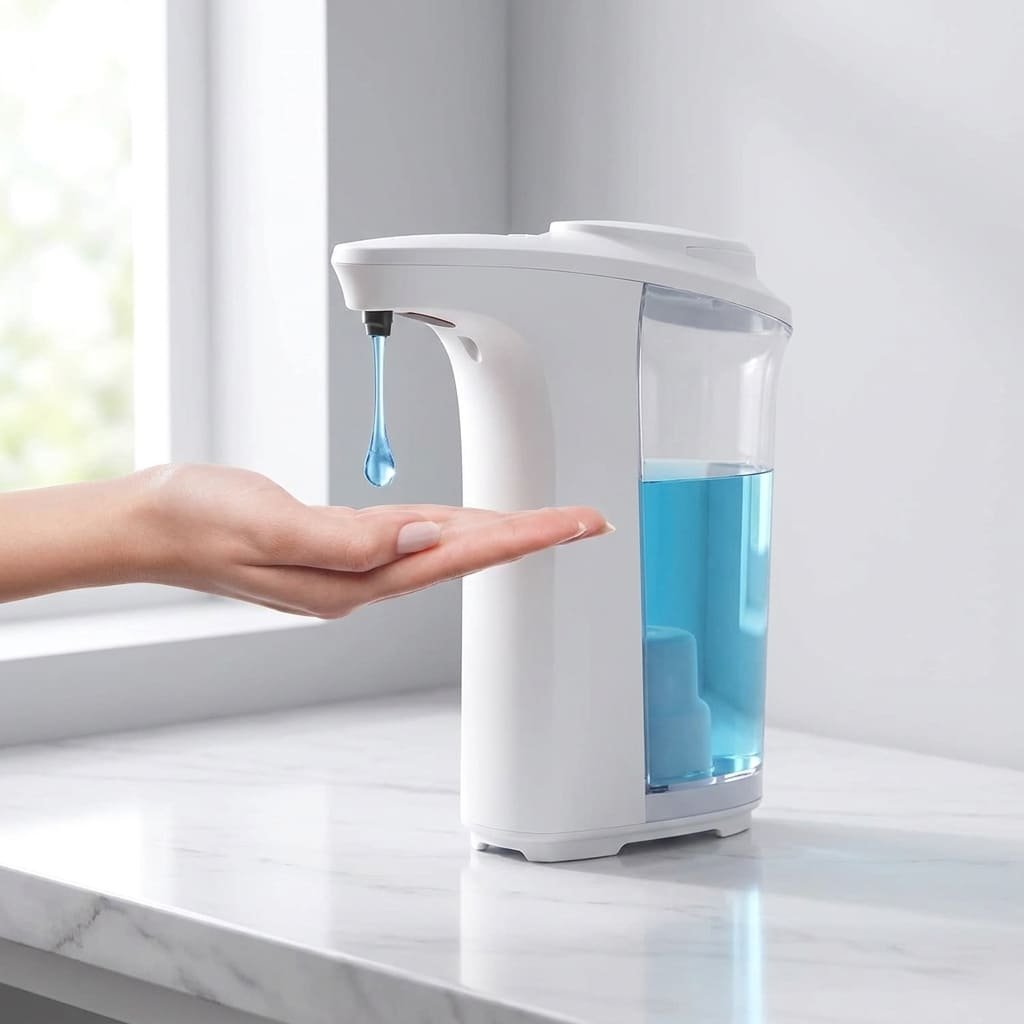
1. Sticky, drippy countertops. A standard pump bottle almost always leaves a ring of dried soap residue at its base, since the nozzle drips after every press. This automatic soap dispenser’s controlled infrared release eliminates that specific mess, since soap only comes out in a measured burst when a hand is actually detected, with no lingering drip afterward to wipe up later.
2. Touching a shared, contaminated pump handle. Every person who presses a manual pump leaves something behind on it — a detail explored more in the hygiene section below. This automatic soap dispenser removes that specific touchpoint entirely, which matters most in households with kids, guests, or anyone recovering from illness.
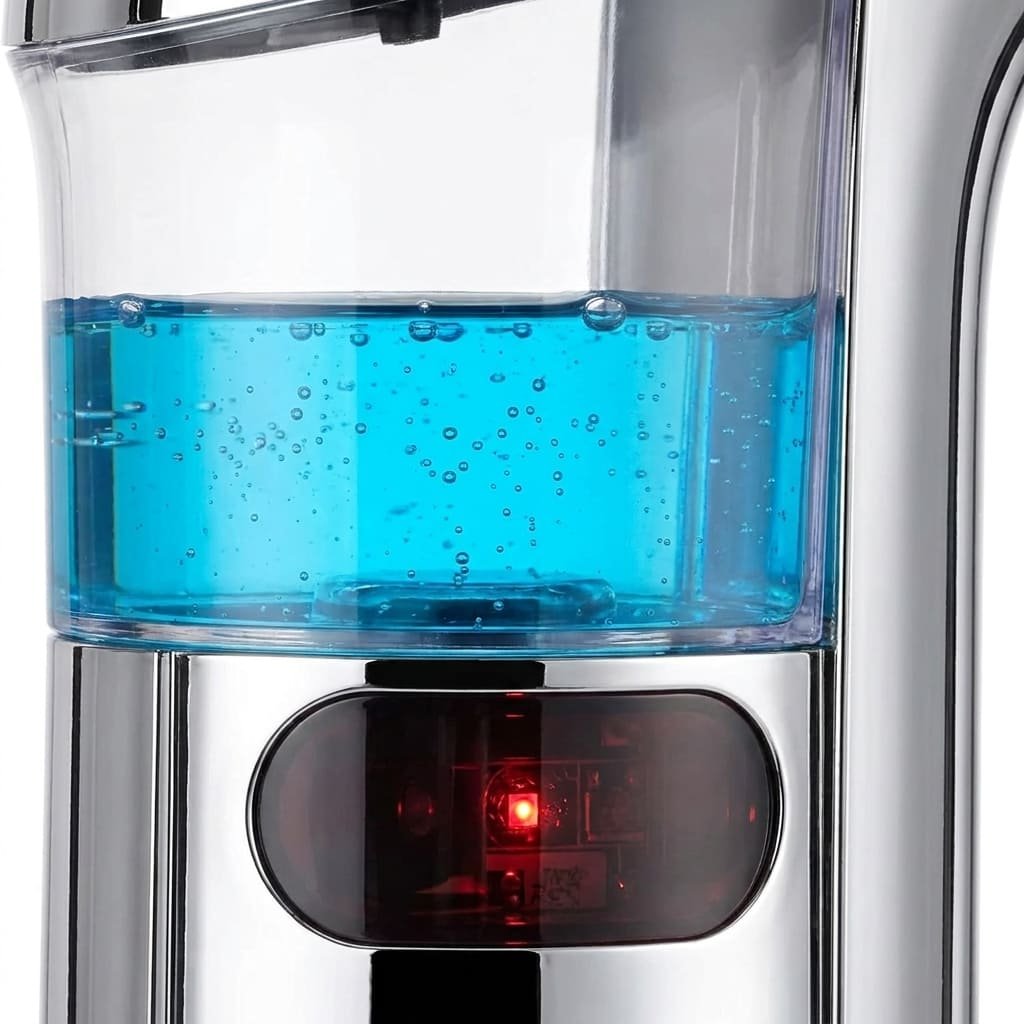
3. Running out of soap mid-wash without warning. An opaque pump bottle gives no advance notice before it sputters empty with soapy hands already under the tap. The transparent reservoir on this automatic soap dispenser lets you glance at the fill level before that happens, turning refills into a planned task rather than an interruption.
4. One soap thickness doesn’t work for every product. Foam soap, gel soap, and thicker dish soap all dispense differently from a fixed manual pump. The five adjustable output levels on this automatic soap dispenser let you tune the dispensed amount to match what’s actually in the tank, rather than getting either too little or a wasteful overflow every time.
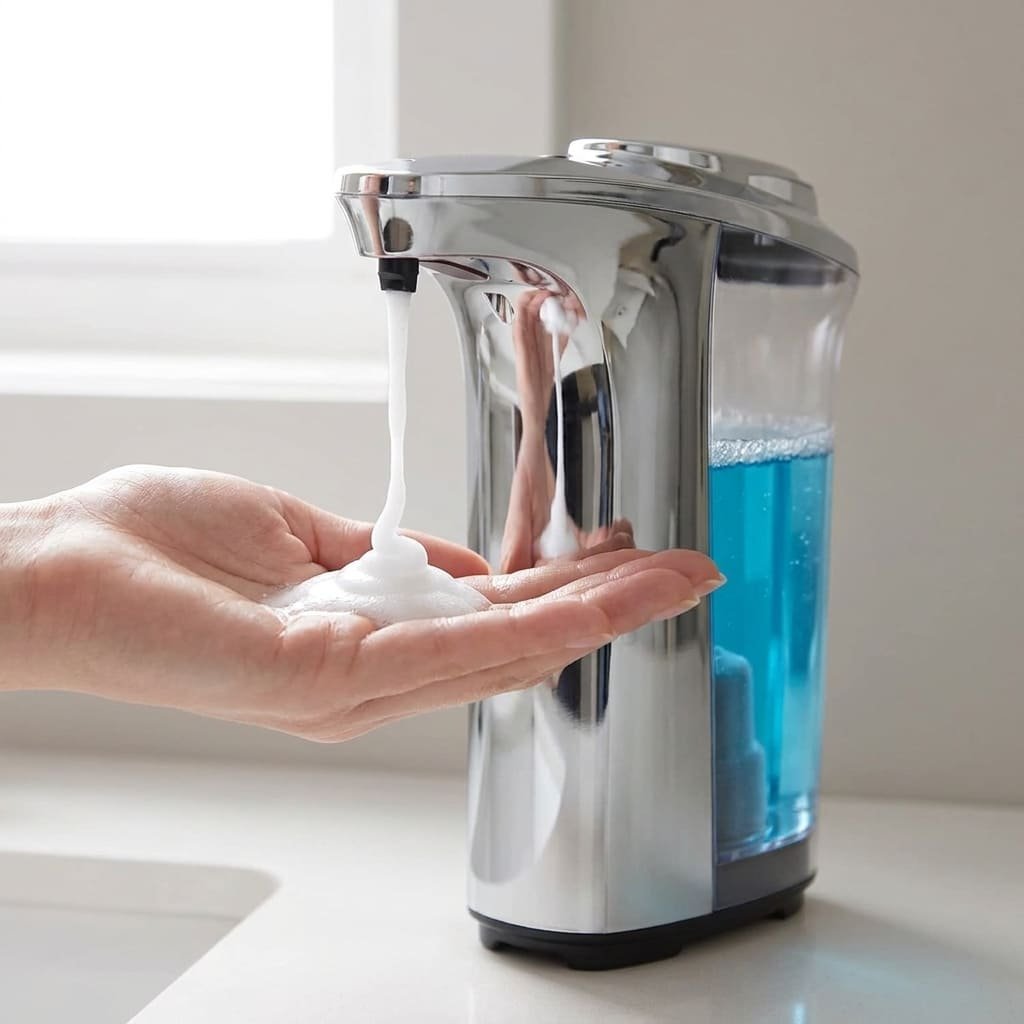
5. Cord clutter or missing outlets near the sink. Not every sink has a nearby outlet, and running a cord across a wet counter is its own hazard. Since this automatic soap dispenser runs entirely on AA batteries, placement isn’t limited by where the nearest plug happens to be, which opens up mounting spots a corded device simply couldn’t use.
Does Touchless Actually Reduce Germs?
This is worth answering honestly rather than repeating marketing language. According to the CDC, germs spread from person to person specifically when people touch surfaces or objects that already have germs on them — which is exactly the mechanism a shared pump handle creates every time someone uses it.
University of Arizona microbiologist Dr. Charles Gerba has similarly noted that hard, frequently-touched surfaces act as major transfer points for bacteria and viruses between different people using the same space. Removing a shared touchpoint is a genuinely reasonable, mechanistically sound reason to prefer an automatic soap dispenser over a manual one, and it lines up with the same basic logic behind other touchless fixtures in public restrooms and healthcare settings.
That said, it’s worth being precise about what this actually proves. The CDC’s own position on automated handwashing devices generally is more measured than most marketing suggests: only a limited number of studies have demonstrated that automated dispensing devices produce a lasting, measurable improvement in overall hand-hygiene compliance, and further evaluation is still considered warranted. In other words, an automatic soap dispenser removing one contaminated touchpoint is a real, logical benefit — but it isn’t the same as a proven reduction in illness rates, and the actual technique behind handwashing (wetting, lathering, scrubbing for at least 20 seconds, rinsing, and drying) still matters more than which dispenser delivers the soap.
This distinction is genuinely useful for setting realistic expectations. An automatic soap dispenser is a sensible upgrade to reduce one specific point of contact, not a device that makes handwashing technique itself less important, and treating it as a full substitute for good technique would be a mistake.
Two Things This Automatic Soap Dispenser Doesn’t Solve
Thick or chunky soaps. The infrared sensor and pump mechanism are built for standard liquid soap consistency. Very thick gel soaps or anything with exfoliating beads can clog the mechanism or dispense unevenly, regardless of which output level is selected on this automatic soap dispenser.
False triggers from unrelated objects. Because the sensor detects motion within roughly 6cm rather than specifically recognizing a hand, light-colored or reflective objects placed too close to the sensor can occasionally trigger an unwanted dispense. This isn’t a defect so much as an inherent limitation of infrared proximity sensing as a category, not unique to this specific automatic soap dispenser, and it’s a trade-off shared by essentially every touchless dispenser using similar sensor technology.
What to Look for in an Automatic Soap Dispenser
If you’re comparing this automatic soap dispenser against other options, a few things are worth checking:
- Adjustable output levels — a fixed single dispensing amount doesn’t accommodate different soap thicknesses the way multiple levels do.
- Battery life and type — confirm the battery count and expected lifespan before buying any automatic soap dispenser, since frequent battery changes undercut the convenience this category promises.
- Transparent vs. opaque reservoir — being able to see the soap level at a glance avoids unexpected mid-wash refills.
- Sensor placement and range — a dispenser mounted too close to a faucet or soap dish is more prone to false triggers from nearby objects.
- Waterproof rating — sink-adjacent placement means occasional splashing is inevitable, so basic water resistance matters for longevity.
- Reservoir capacity relative to household size — a larger automatic soap dispenser tank means fewer refills for busy households, while a smaller one may suit a single-person bathroom just fine.
None of these criteria require special technical knowledge to evaluate, and checking them before buying any automatic soap dispenser takes only a few minutes of comparison shopping between listings.
Who Should Buy This Automatic Soap Dispenser?
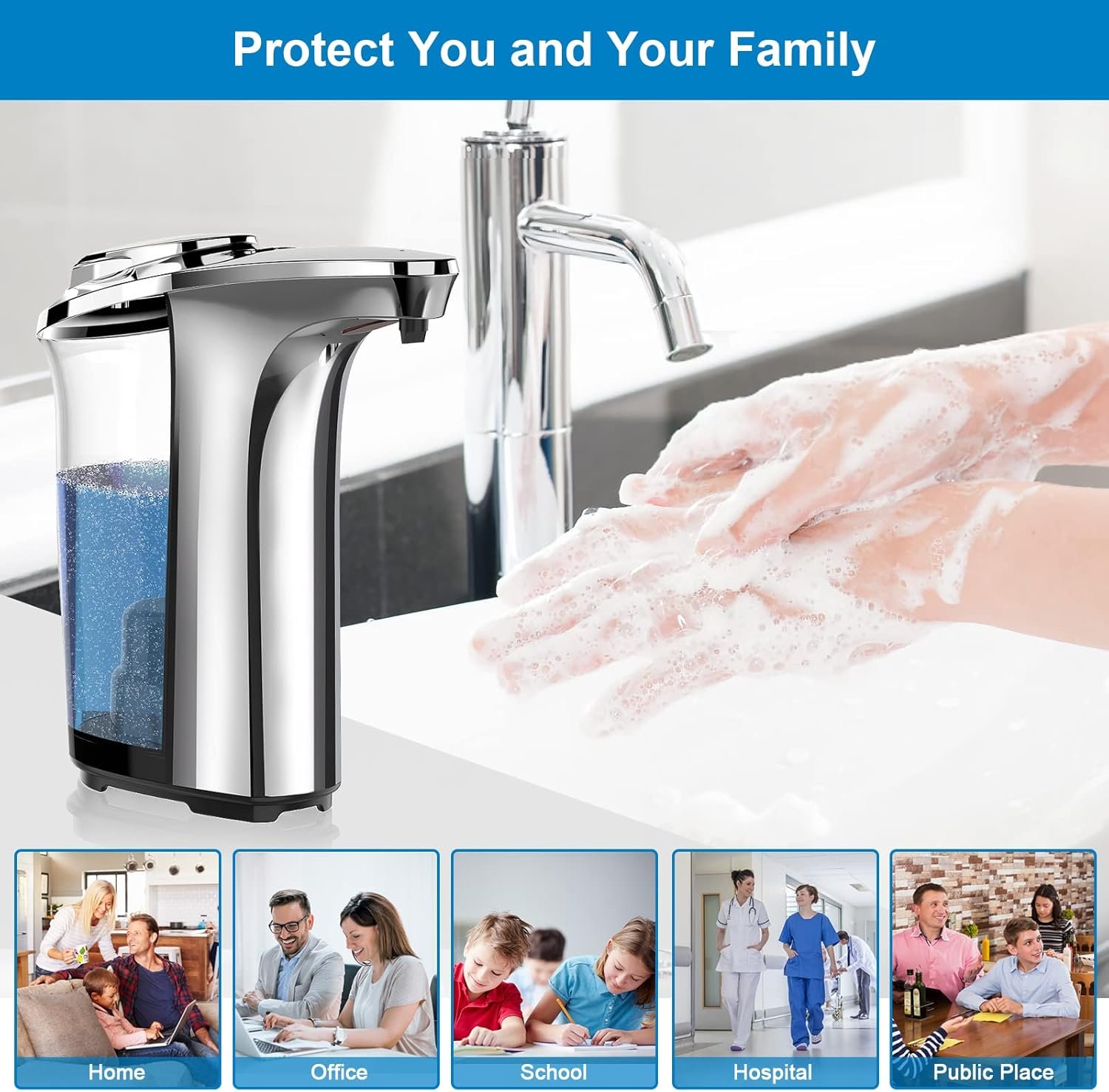
This automatic soap dispenser is a good fit for households with kids, shared bathrooms, or anyone who specifically wants to reduce contact with a shared touchpoint at the sink. The battery-powered design also makes it a reasonable choice for kitchens or bathrooms without a convenient nearby outlet, and the adjustable output levels give it more flexibility than a fixed-rate dispenser.
It’s probably not the right choice for anyone using thick, chunky, or exfoliating soap products, or anyone whose sink area has a lot of light-colored objects near where the sensor would sit. If you’re weighing other home improvement upgrades, our Home Improvement reviews cover additional options worth comparing.
How We Evaluated This Product
This review is based on the manufacturer’s published specifications, cross-referenced against CDC guidance on hand hygiene and germ transmission, along with published commentary from a University of Arizona microbiologist on shared-surface contamination.
Keeping This Automatic Soap Dispenser Working Well
A few small habits keep an automatic soap dispenser like this one running reliably over time, and none of them require any special tools or expertise. Wiping down the sensor area occasionally prevents dried soap residue from building up and interfering with detection accuracy, since a film of dried product can throw off the infrared reading.
Using a soap consistency close to what the manufacturer recommends avoids the clogging issues that tend to generate the most negative reviews for this entire automatic soap dispenser category, not just this specific unit. When an automatic soap dispenser does start dispensing unevenly, adjusting to a different output level is usually a faster fix than assuming the unit itself has failed.
Battery placement also matters more than people expect: a dispenser positioned in direct, frequent splash contact will drain batteries faster and risk corrosion at the contacts over time, so a stable, mostly-dry mounting spot extends the working life of the whole unit and reduces how often replacement batteries need to go on the shopping list.
Frequently Asked Questions
Does this automatic soap dispenser actually reduce germs compared to a manual pump? It removes one specific shared touchpoint, which is a genuine, logical hygiene benefit, though the CDC notes limited direct evidence that automated dispensing devices alone measurably improve overall hand-hygiene outcomes.
Will this automatic soap dispenser work with foam soap? It’s designed for standard liquid soap consistency; very thick or foam-specific formulas may not dispense as evenly through this automatic soap dispenser and could require testing at different output levels.
Why does the sensor sometimes trigger without a hand nearby? Infrared sensors detect motion and proximity generally, not specifically a hand, so light-colored or reflective objects placed close to the sensor can occasionally cause a false trigger on this or any similar automatic soap dispenser.
How long do the batteries typically last? This varies by usage frequency, but 4 AA batteries in a device like this commonly last several months under normal household use before needing replacement.
Can this automatic soap dispenser be used with dish soap or hand sanitizer? Many users report success with thinner dish soaps and liquid hand sanitizer, though thicker formulas may need a higher output setting or won’t dispense as cleanly.
Is a transparent tank actually useful, or just a nice-to-have? It’s genuinely practical — being able to glance at the fill level on this automatic soap dispenser avoids the common frustration of running out mid-wash with soapy, wet hands.
Is this automatic soap dispenser a good gift or upgrade for elderly family members? It can be, since the touchless operation removes the need for hand strength or dexterity to operate a stiff pump, though it’s worth confirming comfort with the sensor-based interaction first.
Final Verdict on This Automatic Soap Dispenser
This automatic soap dispenser earns its place by solving five specific, everyday frustrations — drippy counters, a shared contaminated touchpoint, unexpected mid-wash refills, mismatched soap thickness, and cord clutter — rather than offering vague, unquantifiable “convenience.” The honest caveat is on the hygiene claim specifically: removing a shared touchpoint is a real, sensible benefit, but it’s not the dramatic, proven infection-prevention upgrade some marketing implies, per the CDC’s own more measured position.
Buy this automatic soap dispenser for the concrete problems it actually solves, and it delivers a genuinely useful upgrade over a standard pump bottle. Buy it expecting to eliminate illness in your household, and you’re setting expectations the current research doesn’t fully support.
The takeaway that applies beyond this one product: an automatic soap dispenser is a reasonable, incremental hygiene improvement, not a substitute for the actual handwashing technique that does the real work.
This article reflects publicly available product information and general CDC hand hygiene guidance and is not medical advice. Handwashing technique — not the dispenser used — remains the most important factor in effective hand hygiene.