


Convertible Sleeper Sofa Sectional is now the must-have solution for urban living rooms that need to pull double (or triple) duty. If you want real comfort, proven durability, and flexible hosting—without the trap of buyer’s remorse—let’s get straight to the specs, steps, and secrets that matter before you buy.
Table of Contents
The Core Concept: Why Convertible Sleeper Sofa Sectionals Work
The core of a Convertible Sleeper Sofa Sectional is simple: it transforms small or open-concept living rooms into legitimate guest spaces by combining a sectional sofa bed, everyday storage, and seating in a single modular form. Urban renters and condo owners are driving the surge—sectional sofas accounted for 27.3% of global sofa revenue in 2025, with North America alone holding 36% of that market. Folding these features into one footprint solves a real crisis: how to host friends or family for overnights (sometimes up to a week) without giving up style, floor space, or comfort.

Why are these so hot? Urbanization and the growth of direct-to-consumer (DTC) furniture (online now commands ~28% of sectional sales) have shoppers demanding fewer, smarter, multi-functional sectional pieces. The Convertible Sleeper Sofa Sectional delivers: daily seating, convenient storage, quick guest bed conversion—all in one. But comfort and mechanism reliability are where most buyers get surprised: 18.7% of Amazon reviews flag comfort complaints, and 7.7% cite assembly headaches. That’s why this guide focuses on numbers, specs, and usability, not just showroom photos or trends.
Step-by-Step Guide: How to Choose and Set Up Your Sectional
- Map your space. Measure available wall width and deployment area. Most Convertible Sleeper Sofa Sectionals run 85-130 inches wide, with 55-65 inch chaise depth. You’ll need an extra 24-40 inches of clear space in front for pull out sectional sofas. Don’t guess—draw it out, and include doorways and furniture.
- Identify your main need. Is primary use daily seating, weekly overnight guests, or maximizing hidden storage? If you host adults for more than two nights at a stretch, prioritize mattress comfort and robust mechanism over maximum seating.
- Compare mechanisms and comfort specs. Traditional pull out sectional sofas use a folding metal frame and separate mattress (typically 4-6 inches thick); pop-up chaise or slide-out styles convert cushions into a bed surface (usually 5-7 inches thick, but comfort varies). Always check for foam density (3-4 lb/ft³ for topper, ≥1.8 lb/ft³ for base foam) or spring details if available.
- Check weight limits and warranty. Look for clear per-seat (200-300 lb is standard) and total sleeper weight spec (often 500-700 lb). Premium Convertible Sleeper Sofa Sectionals list 5-10 year frame warranties, 1-3 years on mattress/cushion, and 1-5 years for mechanisms.
- Select upholstery and storage options. Polyester, linen, or performance fabrics last longer and are easier to clean. If you need storage, inspect chaise compartment ventilation and height. Many have thin bottoms or limited space—bedding sometimes won’t fit.
- Order with delivery and assembly in mind. white glove delivery (recommended for city apartments) costs $100-250+ but avoids damage and missed parts. Self-assembly is possible, but 7.7% of buyers cite issues—double-check package size against stair and door openings.
- Prep for arrival. Remove or rearrange existing furniture and rugs so you’re not wrestling heavy pieces after they’re delivered. Organize hardware and follow instructions with care.
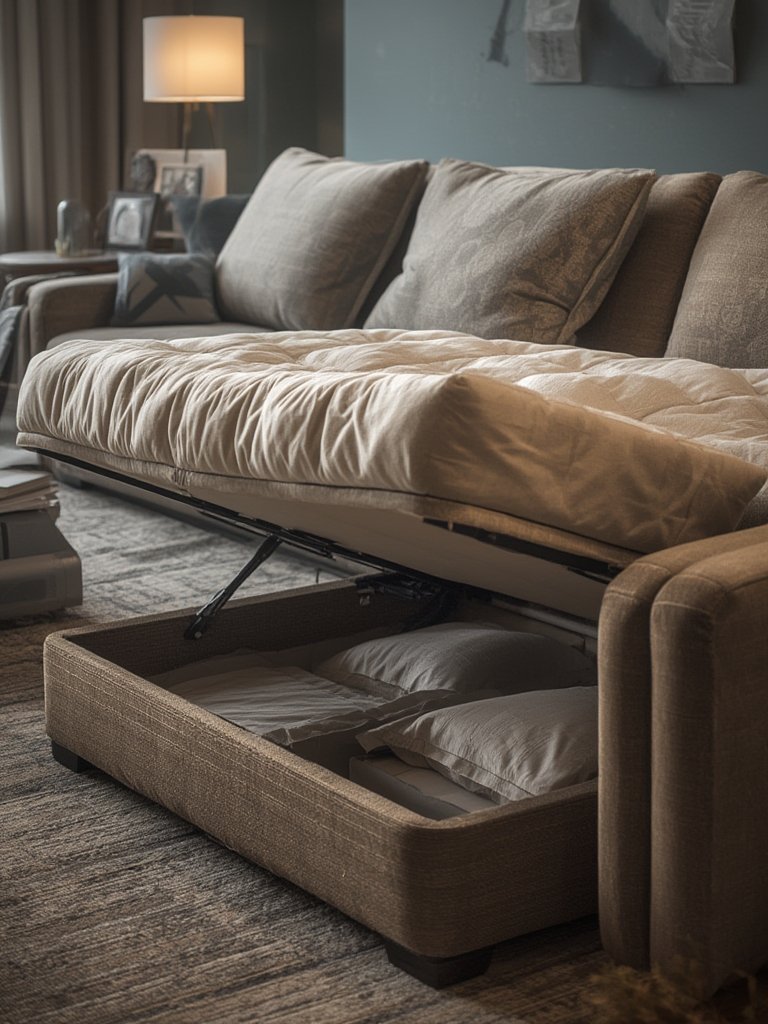
For a handy spec checklist, verify:
- Closed and open dimensions (fit for your floor and guest plans)
- Mattress/cushion thickness, foam type, and density if listed
- Mechanism type (pull out, pop-up, click-clack, modular) and open/close cycle test rating if available
- Per seat and total sleeper weight limits
- Storage volume and access mechanism
- Assembly difficulty (e.g., user reviews or service availability)
- Return window and restocking fee (usually 10-20% for large furniture)
And remember—sectionals and sleeper configurations are not all created equal. If you want more flexible arrangements or regular moves, explore modular sectional sofas with snap-lock connectors and reconfigurable seating.
Advanced Analysis & Common Pitfalls
Let’s ground this in real feedback and market data. The main pitfalls buyers hit with multi-functional sectional sleeper combinations are comfort, mechanism reliability, space efficiency, and maintenance.
| Feature | Pull Out Sectional Sofa | Pop-up Chaise Sleeper | Modular Sofa Bed |
|---|---|---|---|
| Mattress/Cushion Comfort | Separate mattress, 4-6″ thick (may feel bars); 18.7% complain about sleep comfort [source] | Sleep surface = seat + chaise cushion, 5-7″ (comfort varies, sometimes seams) | Seat/back cushions reconfigured; gaps or unevenness possible |
| Mechanism | Heavy pull, prone to misalignment/bending; 1-5 yr warranty | Slider/pop-up, smoother but may creek or loosen over time | No moving frame; connectors break, modules drift, harder setup |
| Space Needed (Open) | 24-40″ beyond sofa; must move coffee table/rugs | 18-24″; more compact for small rooms | Similar to slide-out; flexible, but not always against the wall |
| Storage | Rare (<15%), often none | Usually in chaise base; limited height, not always ventilated | Depends on module; some offer hidden ottoman storage |
| Assembly/Durability | 7.7% of complaints cite tough assembly; heavy frame | Lighter, less hardware; misaligned hinges possible | Complex setup, connectors may loosen, modules move apart |
All models can develop squeaks, faded upholstery, and storage odor if neglected. Storage bases, especially, often use particleboard and don’t ventilate. That’s why you shouldn’t store bedding for weeks at a time—rotate and let compartments air out. Take time to check the real weight limits. Listings sometimes skip these details, but exceeding intended load is a leading cause of warranty denial and breakage.
For regular guests or if you’re hosting older adults, beware that many mechanisms require decent strength or two people to open safely. Slide/pop-up chaise and modular sofa bed designs are somewhat easier, but always measure your clearance and check for trip hazards. And if you ever upgrade air quality in small apartments, see our bedroom air purifier review for a comfort boost.
Avoid These 7 Mistakes While Using Your Convertible Sleeper Sofa
Way 1: Choose the Sectional Configuration That Works With the Room — Not Against It The most expensive convertible sleeper sofa sectional mistake a buyer can make is selecting a configuration based on showroom appearance rather than the specific dimensional constraints of the room it will occupy. An L-shaped sectional that opens beautifully in a showroom can block every traffic path in a narrow living room the moment it converts to sleeping mode.
Before evaluating any sectional, sketch the room dimensions to scale, mark every door swing, window, and traffic path, and verify that the fully extended sleeping configuration fits within the available floor space without touching a single wall, door frame, or adjacent piece of furniture. The configuration that maximizes space is almost never the most visually impressive one in the store.
Way 2: Use the Sectional to Define Zones in an Open Plan Space Interior designers consistently deploy convertible sleeper sofa sectionals as architectural tools in open plan living spaces — using the sectional’s footprint to create defined living, dining, and sleeping zones within a single room rather than simply filling available floor space.
A sectional positioned perpendicular to the wall with its back facing the dining area creates a visual and functional boundary between spaces without a single partition wall. This placement strategy makes the room feel deliberately designed rather than furniture-filled, maximizes the usable perimeter of every defined zone, and positions the sofa’s conversion function exactly where a sleeping guest needs privacy and separation from the rest of the living space.
Way 3: Select the Correct Mattress Thickness Before the Frame, Not After The mattress that ships inside a convertible sleeper sofa sectional is almost never the mattress that makes the sleeping surface genuinely comfortable for a guest — and most buyers discover this after the sofa is delivered, assembled, and impossible to return. The internal mattress pocket depth determines the maximum mattress thickness the frame can accommodate when folded, and this specification varies significantly between models.
Buyers who identify the maximum mattress thickness the frame accepts before purchase can immediately upgrade to a memory foam or hybrid replacement that transforms the sleeping experience — buyers who discover the thickness limitation after purchase frequently find themselves constrained to an uncomfortable mattress they cannot replace without purchasing a custom-cut alternative.
Way 4: Position the Sectional to Allow Full Conversion Without Moving Any Furniture A convertible sleeper sofa that requires three pieces of adjacent furniture to be relocated before it can convert to sleeping mode will be used as a sofa exclusively — the conversion friction is too high to overcome when guests arrive tired at the end of an evening. The sleeping function of a convertible sectional is only as useful as its ability to deploy effortlessly in the space it occupies.
Measure the fully extended sleeping footprint of the specific model before purchase and position it in a location where that footprint clears every surrounding piece of furniture without any rearrangement. A convertible sofa that converts in thirty seconds without moving anything else is used regularly — one that requires furniture choreography before every deployment is not.
Way 5: Use the Sectional’s Storage Capacity as a Primary Space Management Tool Most convertible sleeper sofa sectionals include storage compartments beneath the seating or within the chaise section that the majority of owners use inconsistently or not at all. Interior designers treat this storage as a primary organizational resource — not an afterthought.
Bedding, pillows, and guest towels stored directly inside the sectional eliminate the need for a separate linen closet allocation, keeping guest preparation entirely self-contained within the furniture piece itself. In a small apartment or studio where every square foot of storage is a design decision, a sectional that houses its own bedding supply reduces the total furniture required in the space by eliminating the storage piece that would otherwise be needed to serve the same function.
Way 6: Match the Sectional’s Visual Weight to the Room’s Natural Light Level A large convertible sleeper sofa sectional in a dark fabric placed in a room with limited natural light dominates the space visually in a way that makes the room feel significantly smaller than its actual dimensions.
Interior designers select convertible sectionals in lighter, neutral tones — warm whites, greiges, and soft grays — for rooms with limited natural light because the visual weight reduction those tones create makes the room’s actual square footage feel more generous than the furniture’s physical footprint suggests. The functional capacity of the sofa remains identical regardless of fabric color — but the perceived spaciousness of the room it occupies changes dramatically based on the visual mass the chosen tone introduces.
Way 7: Invest in the Mechanism Quality Before the Aesthetic Finish The conversion mechanism is the single component of a convertible sleeper sofa sectional that determines whether the furniture remains functional for five years or becomes a non-converting sofa after eighteen months of regular use.
Most buyers allocate their budget toward fabric quality, cushion comfort, and aesthetic finish while treating the mechanism as a given — discovering after the warranty expires that a low-quality pull-out or fold-down mechanism has developed the binding, resistance, or misalignment that makes conversion a two-person effort requiring deliberate force.
A sectional with a high-quality, smooth-operating mechanism in a basic fabric finish will serve guests reliably for a decade. A sectional with a premium finish and a mediocre mechanism will be used exclusively as a sofa within two years of purchase.
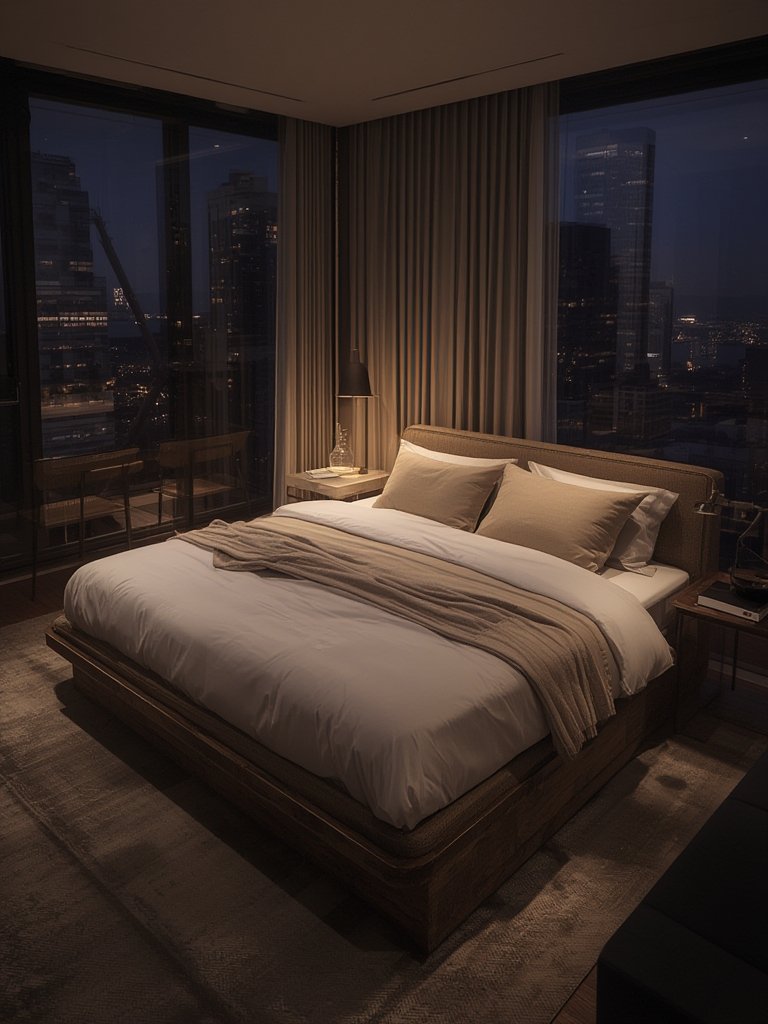
Consider if a dedicated ADU or guest suite is worth the investment for frequent stays, or pair your sleeper with safety upgrades (useful for older guests), such as the tips in our aging-in-place home guide.
Finally, always check expected delivery and return timelines. In-stock sectionals ship in 1-3 weeks, but custom upholstery or modular combinations can take 6-10+ weeks—plan ahead to avoid disappointment.
Conclusion
A Convertible Sleeper Sofa Sectional is a practical, multifaceted answer for today’s compact homes and flexible lifestyles. But details—bed size, mattress thickness, true mechanism specs, and honest space planning—make or break your experience. Consider how often you’ll host, what your guests will honestly need, and the trade-off between storage capacity and comfort.
Always ask for technical specs (not just dimensions and color), check real-world reviews, and if you need better air quality or plan a room reconfiguration, see our modular sofa solutions and screened-in porch ideas for added guest seating flexibility. Ready to level up? Start by measuring your space and requesting a full technical breakdown from your preferred retailer. For consistent quality, repeat after us: “Specs, support, and clearance over hype.” Choose your Convertible Sleeper Sofa Sectional wisely and your guests’ backs (and your future self) will thank you.
Need more advice on smart home trends? Explore the latest in home improvement before you buy.
FAQ: Convertible Sleeper Sofa Sectional – Real Answers
Is a Convertible Sleeper Sofa Sectional comfortable enough for adults to sleep on?
Short-term, for a few nights, yes—especially with a 5-6 inch all-foam or improved hybrid mattress. For weeklong stays or heavier guests, comfort will not match a standard mattress. Use a topper for upgrades.
Can I fit a real queen sleeper bed inside a sectional?
Yes, queen-size sleeper mechanisms are available (usually 58-60 by 78-80 inches open), but mattress thickness is capped at about 6 inches for folding frames.
How difficult is assembly, and should I opt for white glove delivery?
For multi-piece modular or pull out sectional sofas, white glove delivery is worth it—assembly is a top complaint due to weight and poor instructions. If you have narrow stairs or elevators, measure everything in advance.
What’s the typical lifespan and warranty of a Convertible Sleeper Sofa Sectional?
Frame warranties average 5-10 years on quality brands; mechanisms typically have 1-5 years; cushions/mattress 1-3 years. Mechanism failure and sagging are the top long-term issues, especially when used as a bed weekly.
Are there maintenance tips to extend the life of a sleeper sectional with storage?
Vacuum debris and air out storage compartments every few weeks, lubricate hinges annually, and avoid overloading sections. Store bedding dry, and use a liner for storage bases to combat musty odors and warping.
Really useful post. I always enjoy reading about car audio upgrades and sound system improvements.