


Disclosure: As an Amazon Associate, I earn from qualifying purchases. This means when you purchase through links on this page, I may earn a small commission at no extra cost to you.
Dog Probiotics for Digestive Health are rapidly becoming a staple for evidence-minded pet owners aiming to improve their dogs’ digestion, stool quality, and immunity. But with a crowded market and bold product promises, how do you separate the science-backed winners from the hype? This guide breaks down the clinical research, product formats, pricing, and knockout buyer pitfalls—so you can confidently choose supplements that genuinely improve your canine’s gut health.
Key Takeaways
- Clinically proven dog probiotics can improve gut microbiota, boost digestion, and reinforce immune markers when the right strains and dosages are chosen.
- Look for products with transparent CFU counts, guaranteed potency, targeted strains, and third-party testing—chews and powders both have pros and cons.
- Not all dogs (or owners) will see dramatic results, so read customer reviews for palatability, side effects, and real-world outcomes before you buy.
Table of Contents
Why Dog Probiotics for Digestive Health ?
Probiotics—live beneficial bacteria—are showing strong, peer-reviewed evidence as a clinically validated adjunct to diet for routine dog probiotics for digestive health. Studies indicate these supplements can measurably improve the composition of your dog’s gut microbiota, bolster immune and barrier health, and even enhance their digestion of key nutrients. For owners torn between conflicting claims, focus on products whose strains and CFU counts match those tested in real-world dog trials.
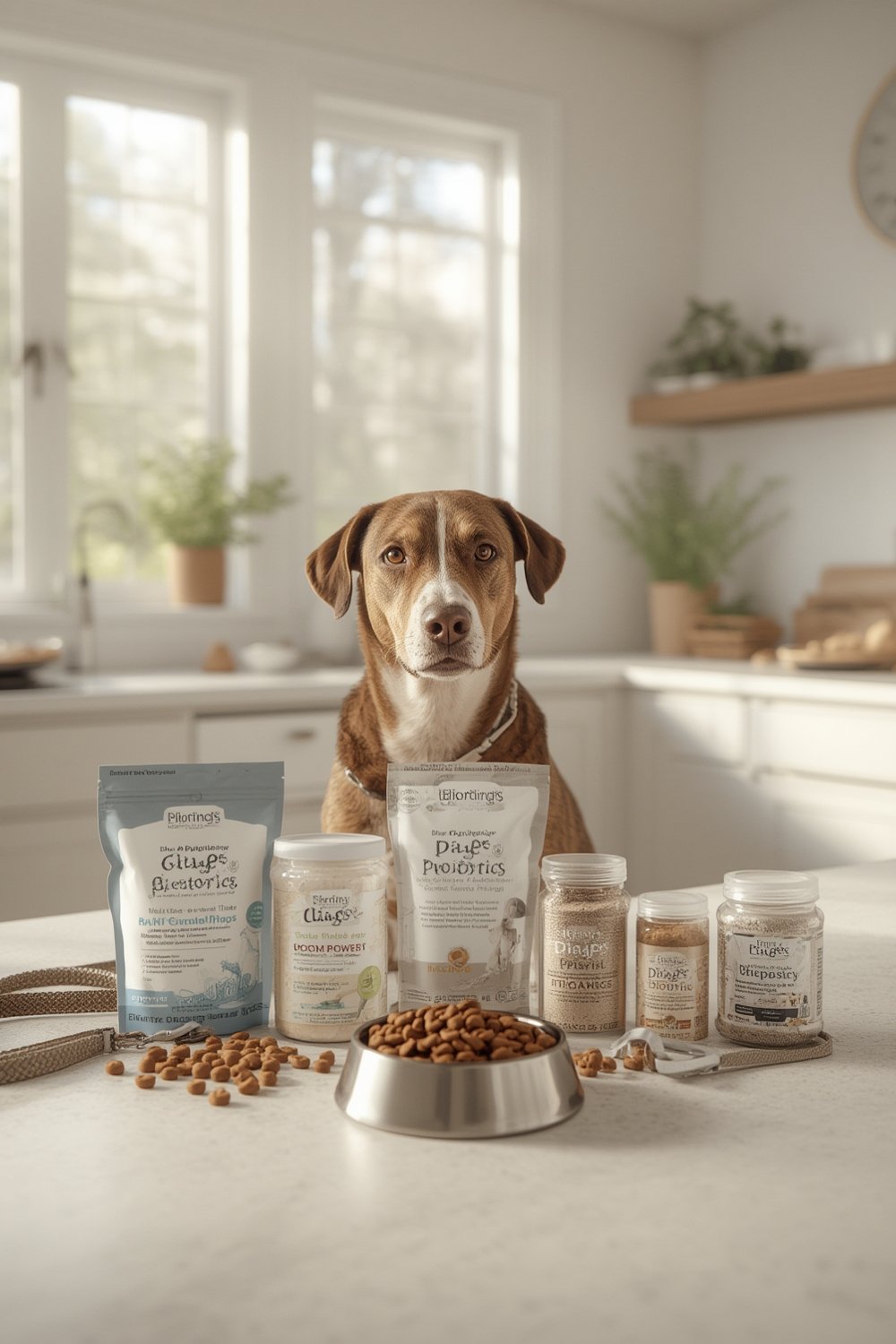
Recent research on Calsporin® (1 × 10⁹ CFU/kg) shows improvements in fecal quality, nutrient digestion, and GI markers such as elevated short-chain fatty acids and reduced ammonia. Owners are also choosing these supplements to support their pet’s immune defenses—especially in puppies or dogs with intermittent GI issues. While not a cure-all, the right probiotics can play a central role in long-term gut wellness.
How Probiotics Work — Mechanisms That Improve Gut Health
Understanding why and how these Dog Gut Health Supplements work makes it easier to shop smart:
- Microbiome Resilience: Probiotics help tip the scales toward beneficial bacteria, crowding out problem microbes in the GI tract.
- SCFA Production: They boost short-chain fatty acids, which feed intestinal cells and reinforce protective mucosal layers.
- Barrier and Immunity: Select strains increase secretory IgA (sIgA)—a key antibody that secures the gut barrier and blocks pathogens.
- Digestive Efficiencies: Clinical strains support digestion and absorption of fats and carbohydrates.
Peer-reviewed studies confirm that probiotics promote the production of sIgA and short-chain fatty acids, strengthening the intestinal barrier and immune defenses.[source]

Finally, not all dogs respond the same—age, existing gut health, and diet can impact results. For best effects, maintain daily dosing for at least 2 weeks before judging outcomes, and record any digestion or stool changes for tracking.
If your dog is especially sensitive, consider combining a proven pet probiotics powder with a healthy slow feeder dog bowl for gentle ingredient introduction and extended digestion time.
7 Ways Dog Probiotics Improve Digestive Health
1. Stops Chronic Diarrhea Fast Quality dog gut health supplements restore good bacteria balance within days. Most owners report noticeably firmer stools within the first week — one of the fastest visible improvements after starting a daily probiotic routine.
2. Cuts Down Vomiting Episodes An imbalanced gut triggers constant nausea and bile buildup. Dog probiotic chews make daily supplementation effortless while strengthening the gut lining and reducing vomiting in sensitive stomachs dramatically.
3. Eliminates Unbearable Gas Excessive flatulence signals poor gut fermentation. Dog digestive enzymes break down food more efficiently alongside probiotics, cutting embarrassing and uncomfortable gas episodes within two weeks.
4. Rebuilds Gut Health After Antibiotics Antibiotics destroy good bacteria alongside bad ones. A daily pet probiotics powder mixed into food during and after treatment protects your dog’s gut from the digestive crash that follows every antibiotic course.
5. Reduces Waste Odor Significantly Better digestion means less fermentation in the colon. Dog gut health supplements produce noticeably less offensive waste — a small daily habit your nose will thank you for immediately.
6. Strengthens Immunity From the Inside Over 70% of your dog’s immune system lives in the gut. Regular dog probiotic chews build a healthy microbiome that means fewer infections, faster recovery, and significantly fewer vet visits long term.
7. Maximizes Nutrition From Every Meal A disrupted gut blocks proper nutrient absorption regardless of food quality. Dog digestive enzymes combined with pet probiotics powder restore the gut environment so your dog extracts full nutritional value from every single bowl.
Clinically Proven Benefits — Beyond Digestive Comfort
Beyond routine gut support, dog probiotics have also demonstrated:
- Stool Improvement & Puppy Growth: Puppies fed prebiotic/probiotic blends achieved better stool quality and more SCFA production, with normal growth noted in controlled trials. [source]
- Immunity Boost: Specific strains—like Enterococcus faecium and Bifidobacterium lactis—increase intestinal sIgA and plasma IgG; in atopic dogs, probiotics sharply reduce fecal pathogens. [source]
- Weight and Metabolism: Recent trials show a modest reduction in body fat in dogs receiving Enterococcus faecium IDCC 2102 plus Bifidobacterium lactis IDCC 4301—even on calorie-dense diets. [source]
However, clinicians point to several pitfalls for owners:
- Not All Strains Are Equal: Generic “probiotics” without specific, tested strains or with unverified CFU counts can deliver little to no clinical benefit.
- Potency Loss: Live microbes are fragile; unless products are guaranteed to expiry and properly stored, potency can plummet before your dog consumes them.
- GI Upset: Especially with high CFUs or low-quality chews, dogs may experience flatulence, softer stools, or even temporary diarrhea. Start slow.
- Mismatch for Needs: Not all dogs require the same strains. For allergy-prone pets or those with skin issues, look for products demonstrating benefits for atopic dogs in trials.
| Strain | Clinically Proven Benefit | Typical Effective Dose (CFU/kg) | Format(s) |
|---|---|---|---|
| Enterococcus faecium | Increased sIgA, reduced fecal pathogens, supports immunity | 1 × 10⁹ | Soft chews, powders |
| Bifidobacterium lactis | Reduced body fat, metabolic benefits | Undisclosed | Chews, capsules |
| Lactobacillus fermentum | Improved gut flora, reduced pathogens | Varies | Powders, chewables |
| Bacillus subtilis (Calsporin®) | Improved fecal quality, nutrient digestibility | 1 × 10⁹ | Food additive, chews |
If you want to improve your dog’s digestion, also consider gut-supporting accessories like a filtered pet fountain (for hydration) or an interactive puzzle toy (to slow eating and engage the brain).

Strain & CFU Guide — Which Microbes to Look For and Typical Effective Doses
Based on clinical studies, prioritize these strains and dose levels when choosing dog probiotic chews or powders:
- Lactobacillus fermentum – documented benefits in gut microflora.
- Enterococcus faecium – strong data for digestive immunity and atopic support.
- Bacillus subtilis (Calsporin®) – improved fecal quality, 1 × 10⁹ CFU/kg effective dose.
- Bifidobacterium lactis – body fat and metabolic regulation.
- Bacillus amyloliquefaciens – barrier and immune support (less common in retail chews).
“CFUs” refers to colony-forming units—a measure of live bugs per serving. More isn’t always better; follow the doses proven in trials and look for products guaranteeing CFU count at expiry, not just at manufacture.
Some leading probiotic soft chews for dogs combine two or more of these strains, but not all disclose full dosages. Always read labels and seek third-party verification when available.
Product Formats Explained — Chews, Powders, and Digestive Enzymes
Dog Gut Health Supplements now come in several delivery types:
- soft chews: Highly palatable, easy to dose, often flavored. Best for picky eaters but can include more additives.
- Powders: Flexible dosing, ideal for adjusting for dog size or age. Can be mixed into food—great for dogs with multiple food allergies or on elimination diets.
- Digestive Enzyme Blends: Sometimes combined with probiotics, these support the breakdown of fats, carbs, and proteins, especially if your dog has chronic GI sensitivity.
According to market stats, Lactobacillus-based probiotics dominate shelves because they remain stable across chew, powder, and capsule formats. When comparing options, look for clear labeling, expiration guarantees, and fit for your dog’s daily schedule.
For owners with limited time, single-serve chews are ultra-convenient. If your dog tends to gulp food, adding a slow feeder bowl can stretch digestion time for powders too.
2024 Market Snapshot & Trends Buyers Should Know
The market for dog probiotic supplements has exploded. In 2024, global sales reached USD 467.3 million, with annual growth projected near 8.5%—expected to top USD 1 billion by 2035.[source]
- Chews and powders-outsold capsules due to palatability and ease.
- Multi-strain blends are gaining ground, especially with Lactobacillus or Bifidobacterium species leading formulas.
- Transparency in CFU and shelf-life guarantees are now a top purchase driver, along with third-party testing and vet endorsements.
Before making a decision, it often helps to check product-specific reviews and consult with other evidence-minded pet owners in online forums or local dog groups.
Safety, Side Effects & When to Talk to Your Vet
Most healthy dogs tolerate recommended Dog Probiotics for Digestive Health well, but side effects are possible. In clinical trials, the most common outcomes were increased immune markers (good) and mild, self-limited GI changes (soft stool or mild gas) in a small percentage of pets. Puppies and adult dogs on scientifically-tested products showed no adverse events of note.[source]
Practice caution if:
- Your dog is immunocompromised or has a chronic, severe illness.
- You notice vomiting, persistent diarrhea, or allergic reactions after supplement use.
- You want to combine multiple supplements or use digestive enzymes alongside probiotics—consult your vet.
There is limited data on long-term effects, and there are few comprehensive reports on rare negative outcomes. When in doubt, consult your veterinarian for guidance and get a product recommendation that fits your dog’s unique needs.
For broader wellness (especially for dogs with allergies or sensitivities), you might want to review other proven pet products like this LEVOIT air purifier to help control environmental triggers.
Real Customer Issues & Negative Reviews — What to Watch For
While research summaries don’t always capture real-world pain points, scanning product reviews and veterinary forums reveals:
- Palatability complaints: Some dogs refuse certain dog probiotic chews, especially if the flavoring is artificial or the texture is too hard.
- Potency issues: Reports of no noticeable results after months of use, likely due to improper storage or reduced CFU at point of consumption.
- GI upset: A minority of dogs experience increased flatulence or loose stools—typically resolves with slower introduction.
- Label confusion: Some supplements do not disclose exact strains or guarantee their CFU count at expiry, leading to disappointment and returns.
If your dog has sensitivities, start with a “single strain” pet probiotics powder before progressing to multi-strain blends, and look for brands with clear refund or satisfaction guarantees. For digestive enzyme shoppers, seek out unbiased online comparisons to check actual results. If your dog has a history of pickiness, consider interactive food toys such as this dog puzzle toy to mix in new supplements with their food.
Pricing & Value — What Influences Cost and How Much to Expect
Based on 2024 retail research:
- Chews: Range from $18–$42 per 30-day supply, premium brands costing more when third-party tested or using patented strains.
- Powders: Typically $20–$35 for a one-month tub, but cost-per-dose varies depending on weight and recommended CFU level.
- Digestive enzyme blends: Priced between $25–$50 for a month, especially with veterinary exclusivity or combo products.
What drives price? High-CFU counts, rare/clinical strains, guaranteed potency at expiry, and third-party certifications all bump cost up. Shelf life also matters—cheaper brands may lose efficacy well before their best-before date.
To maximize value, buy from retailers with easy returns and batch testing transparency. For multi-pet households, buying larger packs or bundles can reduce cost per dose. Don’t forget to factor in additional wellness investments, like dog waste bag dispensers (for healthy walks) or car seat covers if you travel to the park or vet often.
How to Choose the Right Product — A Practical Buying Checklist
Use this quick-guide when evaluating Dog Probiotics for Digestive Health or a new pet probiotics powder:
- Targeted clinical strains: Enterococcus faecium, Lactobacillus spp., Bacillus spp. (as seen in peer-reviewed studies).
- Transparent CFU per dose: Benchmarked against 1 × 10⁹ CFU/kg for Calsporin®.
- Guarantee of CFU count at expiry (not just at manufacture).
- Delivery format that fits your dog’s preferences (chew, powder, enzyme blend).
- Third-party testing or veterinary endorsement on label.
- Clear storage directions (shelf, fridge), and dosing based on weight/age.
- Vet clearance for dogs with chronic or immune conditions.
Before purchase, cross-check product reviews for actual customer experiences and call your veterinarian with any questions on new supplements or potential drug interactions. Storing chews or powders according to their instructions (often refrigeration) preserves potency and reduces the chance of issues.
How to Compare Products — Template for Head‑to‑Head Reviews
Filling the clinical comparison gap, here’s a repeatable template to evaluate any dog probiotic chews or pet probiotics powder for your dog:
- Active strains: Which species and strain codes are listed?
- CFU per serving: Is the CFU count tested and guaranteed to expiry?
- Delivery format: Chew, powder, softgel, or combo?
- Clinical evidence: Has at least one strain been tested in real-world dog studies?
- Storage/expiry: Is refrigeration required? What’s the usable shelf life?
- Price per dose: Calculate monthly cost based on your dog’s size and dose band.
- Vet-approved usage: Has the brand been recommended by veterinarians or licensed canine nutritionists?
- User-reported issues: Scan customer reviews for patterns in palatability, stool changes, or refunds.
Keep your review notes organized—tracking these factors will help reveal if a supplement can outperform or match the top shelf, scientifically documented options.
Under‑Addressed Topics Competitors Miss (SEO Opportunity)
If you’re researching further or building topical authority, don’t miss these under-covered angles in competitor content:
- Long-term safety monitoring—Track and report on any adverse events or side effects from extended use (especially in at-risk dog populations).
- Comparative efficacy studies—Arrange true head-to-head tests among commercial retail chews and powders at matched CFU.
- Cost-effectiveness and ROI analysis—Compare supplement costs to potential savings on vet care for GI issues or allergies. Real-life data connects supplement use to actual vet bill reductions.
Content that addresses these dog owner questions head-on will stand out both with search engines and an increasingly skeptical, science-savvy audience.
Quick FAQs + Clear CTA
How long until results are visible after starting probiotics?
Most healthy dogs show improved stool quality or digestion within 10 to 21 days of consistent use, though effects can be faster in puppies (sometimes as quick as one week). Some studies saw measurable gains in SCFA and sIgA over 175 days.
Are dog probiotics safe for puppies?
Yes—studies demonstrate safety and benefits for puppies, especially during weaning. Just ensure you’re using a product and dosage proven for young dogs, and consult your vet before starting.
Is it safe to combine dog probiotic chews with digestive enzymes?
Usually safe for healthy adult dogs but check with your vet, especially if your pet has chronic GI issues or is on prescription medication. Gradually introduce only one new product at a time to track any effects.
How should I store pet probiotics powder or chews?
Most products are shelf-stable at room temperature until opened, but refrigeration extends potency. Avoid humidity and direct sunlight. Follow the package directions for best results.
When should I stop probiotics and contact my vet?
Stop supplement use if your dog experiences vomiting, bloody stool, persistent diarrhea, or allergic reactions. Always call your veterinarian for support regarding new symptoms or if underlying conditions worsen.
Want the healthiest, happiest gut for your dog? Cross-check our checklist above, consult your vet, and choose a Dog Probiotics for Digestive Health supplement that’s science-backed, palatable, and fit for your dog’s needs.