

Pollinator garden native plants are one of the most impactful, affordable conservation actions suburban homeowners like you can take today—but success depends on honest expectations and practical steps. With bees, butterflies, and hummingbirds declining at record rates, planting the right locally-native species offers real habitat and hope—if you avoid common mistakes and know what’s proven versus what isn’t.
Key Takeaways
- Over one-fifth of North America’s native pollinators face extinction risk, but scientists cannot yet prove that small pollinator gardens alone reverse these trends—so focus on meaningful, measurable steps in your space.
- Prioritize genuine native plants tailored to your region, support year-round blooms, avoid pesticides, and source from reputable native nurseries—costs and maintenance are realistic for most budgets if planned well.
- Steer clear of non-native cultivars, over-mulching, and “feast-only” floral beds without structure. Connect with extension services and citizen science for lasting conservation impact.
Table of Contents
Why this matters right now
North America’s pollinators are in crisis. Recent research found that over 22.6% of 1,579 assessed native pollinator species in mainland North America face an elevated extinction risk—this includes 34.7% of native bee species (NatureServe, PNAS 2024). The loss of bees, butterflies, moths, and bats doesn’t just threaten wildlife—it undermines one in three bites of food we eat, risking farm yields, ecosystem health, and neighborhood resilience.
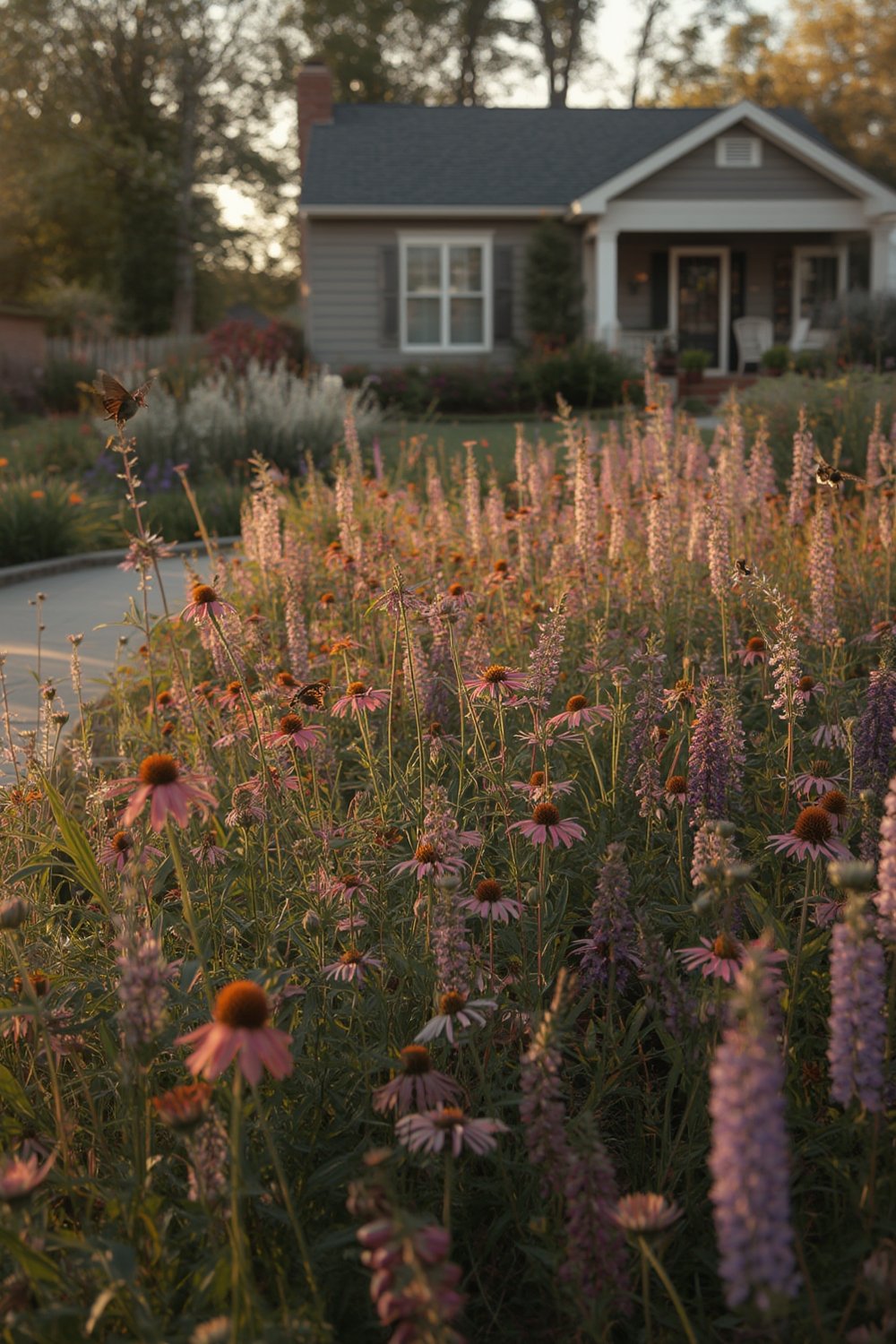
Pollinator garden native plants can fill vital gaps in fragmented suburban landscapes, helping restore food and shelter for critical pollinators. But it’s essential to know where home gardens fit in the bigger picture—and what you can realistically achieve in your backyard.
What pollinator gardens can — and currently cannot — be proven to do (the unique insight)
Native plants for pollinators are at the heart of modern garden conservation. By supplying year-round nectar, pollen, host plants for caterpillars, and refuge, these gardens reduce dependence on chemicals and contribute to local biodiversity. But the latest 2024 scientific reviews explicitly state: there is no quantified, population-level impact data yet linking home pollinator gardens to measurable increases in bee or butterfly numbers (NatureServe). Garden action is recommended but not formally “proven” on a regional scale for reversing declines.
What does this mean for you? Your pollinator garden provides essential foraging and nesting habitat, supports local wildlife, and reduces pesticide risk. But don’t expect it alone to bring monarchs or bumble bees back from the brink. Real change requires city-wide, farm-scale habitat plus your own space—and every garden counts as a patch in the network.
The current state of managed pollinators (why backyard action complements broader efforts)
Managed honey bee colonies—key for food and seed pollination—have seen catastrophic losses. From April 2024 to April 2025, U.S. beekeepers reported 55.6% national losses, with commercial operations losing up to 62% (more than 1.1 million colonies in one period alone). Causes range from pesticides to parasites, disease, and lack of flowers (Honey Bee Health Coalition).
Your bee garden plants can’t halt these losses outright, but local habitat patches help buffer against large-scale threats and can support native pollinators especially vulnerable to urban expansion and monoculture farming. Every diverse, chemical-free patch matters.
Choosing native plants — principles before plant lists
For a successful pollinator garden, principles matter most—especially given limited space and budget. Pollinator friendly plants should:
- Be locally native (check state/province lists)
- Provide season-long bloom (spring, summer, fall)
- Offer structural variety (groundcovers, grasses, tall flowers, shrubs)
- Include host plants for caterpillars (not just nectar sources)
- Be chemical-free (avoid neonicotinoid or insecticide-treated plants)
- Come from reputable native nurseries, not “pollinator-friendly” box store cultivars unless confirmed local genotype
Even with these criteria, researchers note that we still lack hard numbers tying these practices to major pollinator rebounds—so “best practices” matter, but transparency on knowledge gaps is key (NatureServe).
High-value native plant groups to prioritize (by pollinator type) — and the evidence gap
Wondering which native wildflowers for pollinators truly matter most? While commonly cited groups include asters, goldenrods, coneflowers, native milkweeds (critical for monarch butterfly plants), liatris, bee balm, and penstemon, the 2024 report finds no peer-reviewed research definitively ranking individual species for greatest support of bees, butterflies, or hummingbirds (NatureServe).
Thus, prioritize functional diversity:
- Early, mid, and late-season native wildflowers (for continuous nectar)
- Milkweed (Asclepias spp.) for monarch caterpillars
- Tubular red/orange wildflowers (e.g., native columbine, penstemon, cardinal flower) for hummingbirds
- Native grasses (e.g., little bluestem, switchgrass) for nesting and winter cover
Always verify recommendations (and plant availability) through your local extension and Pollinator Partnership regional guides.
Regional plant picks and realistic cost ranges (starter, mid, and premium budgets)
Garden success depends on matching species to both your region and your wallet. While no 2024 data specifies exact cost ranges or top plant picks by region, you can use these example starter plant groupings and cost bands, then confirm with a local nursery or extension office (NatureServe):
- Northeast/Mid-Atlantic: Wild bergamot, purple coneflower, swamp milkweed, New England aster, smooth blue aster, little bluestem
- Midwest: Prairie blazing star, butterfly milkweed, wild indigo, prairie dropseed, wild lupine
- Southeast: Coral honeysuckle, black-eyed Susan, butterfly weed, ironweed, dwarf blazing star, native goldenrod
- West (CA, Rockies, PNW): California poppy, Oregon sunshine, showy milkweed, red columbine, penstemon, yarrow
Budget bands (ballpark, as reported costs are not region-specific):
- Starter ($100–$500): Seeds, a few small plugs, hand labor
- Mid-level ($500–$2,000): Diverse plugs, some gallon plants, minor irrigation, organic soil amendments
- Premium ($2,000+): Wide plant variety, mature plants, custom design, professional installation, drip systems
Annual maintenance (weeding, trimming, replanting bare spots) generally runs $0.50–$2 per square foot, especially in year one. Costs will vary; check Pollinator Partnership tools and your state extension for localized guidance.
Common homeowner challenges when selecting and maintaining native plants — and direct solutions
No specific 2024 survey data exists, but extension horticulturists and garden forums cite these hurdles:
- ID confusion & sourcing: True natives vs. cultivars—always ask for botanical names, check provenance, and buy from trusted nurseries.
- Soil & weed prep: Remove turf and invasive weeds with a sheet mulch or solarization before planting.
- Watering: Native seedlings require consistent deep watering in their first season—drip hoses or simple watering cans suffice.
- Pests & deer: Use netting and wire collars as needed, and select deer-resistant natives if browsing is severe.
- Seasonal care: Leave dried stalks and leaf litter over winter for bee and butterfly shelter; avoid “tidying up” too early.
- Getting support: Find advice and even free plants through your local extension office or native plant society.
To keep allergies from pollen under control while gardening, consider air filtration, such as with LEVOIT air purifiers for bedrooms or workspaces.
Top mistakes that harm pollinators or reduce garden effectiveness
Every gardener means well, but these common mistakes can offset your efforts:
- Planting “pollinator-friendly” non-native cultivars that produce little or no nectar and pollen
- Heavy mulch or landscape fabric kills ground-nesting bee habitat
- Using systemic pesticides—even “bee safe” labels aren’t always accurate
- Removing “weedy” host plants (like native milkweed or violets) that monarch and fritillary butterfly caterpillars require
- Creating a feast-only garden (just nectar flowers) without providing host plants or structure for shelter/nesting
Extension bulletins, such as from the Pollinator Partnership, and regional native plant societies offer guidance on best practices.
Invasive species and cultivar warnings for 2024 — what to watch for
There were NO new 2024 warning lists identifying commonly mistaken non-native cultivars or emergent invasive “pollinator” plants in the official assessment data (NatureServe). Always consult your state invasive plant council and verify species against current extension recommendations. When in doubt, go native, not “nativar.”
Avoid fast-spreading exotics (e.g., butterfly bush Buddleja, purple loosestrife Lythrum), and beware of cultivars with double flowers, unusual colors, or missing reproductive parts—they often lack food value for pollinators.
Costs & maintenance plan templates (0.01–0.25 acre examples)
Exact cost data by U.S. region is lacking, but here are illustrative templates based on available extension/industry ranges:
| Budget Level | Example (Sq Ft) | Plants/Materials | One-time Cost | Annual Maintenance | Notes |
|---|---|---|---|---|---|
| Starter | 200–1000 | 25–50 sq ft, seed mix, 5–10 plugs, basic mulch | $100–$500 | $50–$150 | DIY, no irrigation |
| Established | 1000–3000 | 30+ species, plug trays, compost/organic mulch, drip hose | $500–$2,000 | $150–$400 | Occasional pro help, some new plants each year |
| Premium | 3000–10,000+ | Wide plant diversity, larger plugs, irrigation, design services | $2,000+ | $400–$1000 | Custom, high-visibility, integrates composting & rain capture (tumbling composter help manage site organics) |
Assumptions: costs are estimates; prices may vary by plant selection, labor, regional supply, or infrastructure needs. Confirm current prices with your local nursery or extension service.
Monitoring impact and connecting to broader conservation (how to measure success)
Even though the 2024 assessments offer no quantified data on pollinator numbers attributable to gardens, you can still measure your progress with evidence-based approaches:
- Create a bloom calendar—aim for at least three overlapping bloom periods (spring, summer, fall)
- Track pollinator sightings and diversity with field notes
- Use citizen science apps like iNaturalist, BeeSpotter, or Monarch Watch
- Connect with neighborhood gardens to create larger habitat corridors
While we’re waiting for scientists to quantify large-scale results, your ongoing observations and data-sharing help build the movement—and more patches in the pollinator network matter.
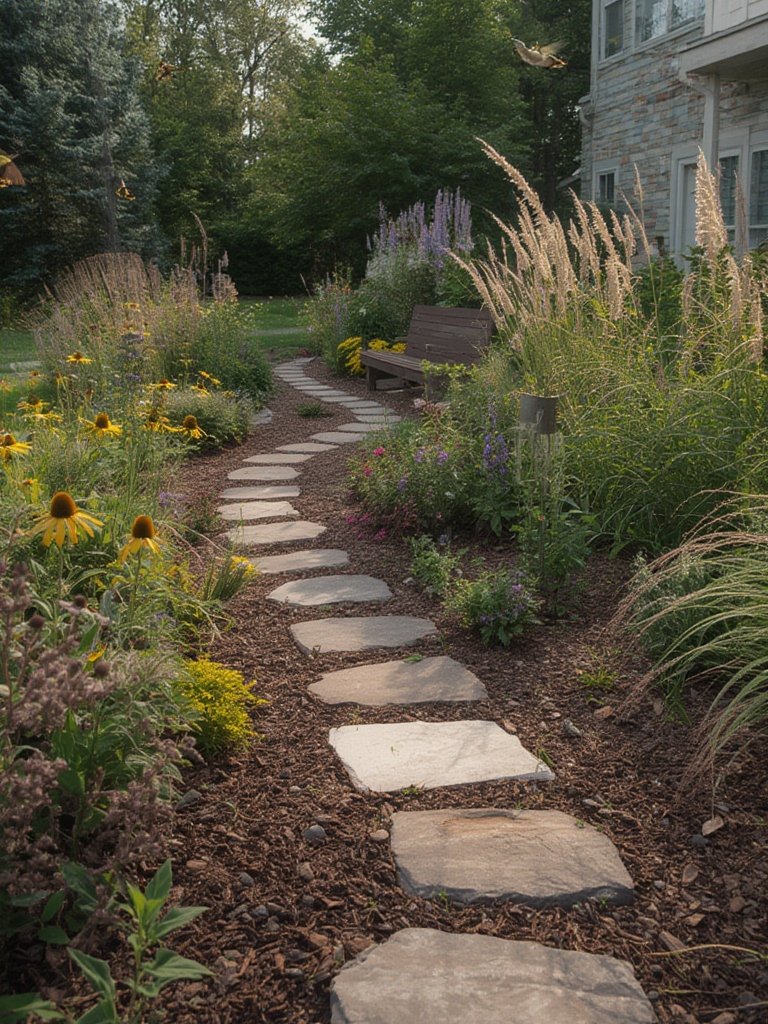
Resources, local contacts, and next steps (action checklist)
In your first 6 months, focus on:
- Identifying genuine native plants suitable for your yard’s soil, light, and climate
- Prepping your site (remove turf, weeds, amend soil as needed)
- Planting in diverse 3–10 species clumps for best habitat value
- Watering and mulching sensibly—leave some bare patches for bees
- Monitoring plants and pollinators, sharing with local citizen science
- Connecting with local resources: NatureServe, Pollinator Partnership, your state extension, native plant society, and certified nurseries
- Implementing year-round maintenance—leave stalks/leaf litter for overwintering insects, avoid all pesticide use
If you want to make yard work easier and more comfortable, having the right gardening hand tools, a garden kneeler, and a seed starter tray can save time and reduce strain as you build your pollinator habitat.
Remember: Threats like habitat loss, pesticides, climate change, and disease require every practical step we can take—plus policy, science, and community support.
FAQ
What’s the difference between native plants and “pollinator-friendly” cultivars?
Native plants are species that evolved in your region and provide proven value to local pollinators for both food and nesting. Many “pollinator-friendly” cultivars sold in big box stores are non-native or have altered flower traits that reduce or remove nectar/pollen—always verify the botanical name and provenance before you buy.
How much does it really cost to start a 0.1 acre pollinator garden?
Expect to spend between $300–$1,000 for a typical 0.1 acre starter garden if you buy regionally appropriate plugs/seeds and do the work yourself. Costs increase if you opt for larger plants, custom design, or professional installation.
Will a small pollinator garden make a noticeable difference?
By itself, a small garden won’t reverse broader declines—but combined with neighbors’ efforts and larger conservation, it does provide critical foraging, shelter, and nesting sites that can sustain local pollinator populations.
Do I need to avoid all pesticides, including “organic” sprays?
Yes. Even many organic pesticides can harm pollinators—avoid all chemical sprays whenever possible. Focus on plant diversity and healthy soil for natural pest control.
What’s a good first step for someone with zero gardening experience?
Start small: pick 3–5 native plants recommended for your region, prep a sunny 4×8 foot patch, mulch lightly around—but not over—the plants, and water regularly in the first year. Get advice from your local native plant society or extension office.
Step-by-Step Guide: How to Start Your Pollinator Garden with Native Plants
Ready to make a difference in your yard? Follow this practical approach for a thriving, resilient pollinator habitat:
- Identify Your Region and Yard Microclimate
- Check USDA plant hardiness, sun/shade, and typical soil drainage.
- Locate your state/province’s native plant lists via NatureServe or Pollinator Partnership’s guides.
- Start Small and Test Soil
- Pick a 25–100 square foot sunny patch; test for drainage and pH. Amend with 1–2 inches of compost if soil is poor (use compost from your own kitchen compost bin or tumbler if possible).
- Plan Blooms for Spring, Summer, and Fall
- Choose at least one native species blooming in each season.
- Add a native grass or sedge for structure and nesting cover.
- Source Your Plants from a Trustworthy Native Nursery
- Ask about regionally native, pesticide-free stock (always get botanical names).
- Buy as plugs or seeds for best value (review seed starter tray if starting inside).
- Prep and Plant
- Remove turf/weeds, loosen soil, and plant in drifts or clumps of 3–5 per species.
- Mulch around, not on, root collars—leave bare soil patches for ground-nesting bees.
- Water Closely in Year One
- Water every 2–3 days unless rainfall is steady.
- Consider a simple soaker hose or soaker hose for efficient watering.
- Weed and Monitor
- Weed regularly in weeks 1–12, then monthly as natives establish.
- Track bloom timing and pollinator visits for planning future plantings.
- Scale Up and Share
- Expand your patch, join a native plant group, and compare notes with neighbors.
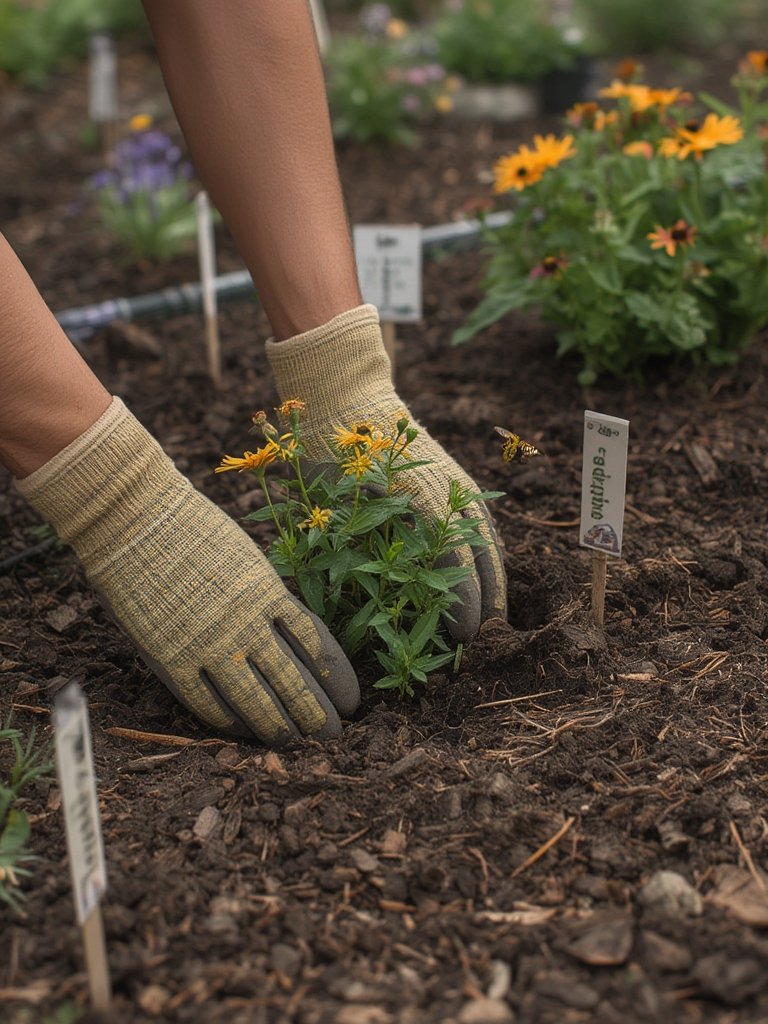
Advanced Analysis & Common Pitfalls
Even the most committed gardeners can hit obstacles. Here’s how the main pitfalls stack up, and how to address them:
| Pitfall | Risk | Direct Solution |
|---|---|---|
| Using “bee” or “butterfly” seed mixes with non-native cultivars | May support few or no pollinators, risk invasives spreading in your region | Vet mixes with extension or native society; confirm all species are locally native |
| Over-mulching, landscape fabric | Removes nesting habitat for ground bees, blocks emergence | Mulch only between plants, leave bare soil patches |
| Pesticide or “weed and feed” use nearby | Directly kills target and non-target pollinators | Eliminate chemical use entirely; inform neighbors if close |
| Too few plant species or bloom gaps | Leaves pollinators with no food in spring/fall | Plan a bloom chart; plant minimum 6–9 species covering the whole season |
Other realistic issues include deer/rabbit browsing and invasive weed pressure (e.g., field bindweed). Use fencing or select naturally resistant native plants. If allergies are a concern, an indoor bedroom air purifier can make rest easier after garden work, especially during heavy pollen.
Conclusion
Building a pollinator garden native plants habitat is one of today’s most direct, empowering ways to help at-risk wildlife—and restore suburban biodiversity, right outside your own window. The evidence says we still have much to learn about large-scale recovery, but every well-designed patch provides measurable food and shelter for bees, butterflies, and hummingbirds. Start with realistic planning, lean on local advice, and avoid common pitfalls—for the best chance of year-round color, wildlife, and impact.
Ready to begin? Pick your favorite native plants, talk to your local experts, and let your yard grow into a safe haven for pollinators—one step at a time.