

The Fiskars Bypass Pruning Shears are expertly designed for clean, precise cuts on live stems and small branches up to 5/8” thick, making them a must-have for gardeners. Featuring sharp, durable steel blades with a low-friction coating and self-cleaning sap groove, these shears resist sticking and rust for lasting performance. The ergonomic, non-slip handle ensures comfortable, controlled use, while the easy-open safety lock offers secure storage. Backed by a Lifetime Warranty, these gardening scissors combine reliability and ease for effortless pruning.
Disclosure: As an Amazon Associate, I earn from qualifying purchases. This means when you purchase through links on this page, I may earn a small commission at no extra cost to you.
Table of Contents
Pruning Shears – Complete Review 2026
The Fiskars Bypass Pruning Shears are one of the top choices for gardeners who value precise cuts and reliable performance. These gardening scissors are purpose-built to handle detailed plant trimming and routine garden maintenance.
With a bypass pruner design, this product allows you to prune delicate flower stems and even small branches with minimal stress on the plant. Durable sharp blades and a non-slip grip combine for comfort and control during extended use.
The brand’s reputation for quality tools is evident in this model’s all-steel construction and advanced features suited for both new and experienced gardeners. If you want consistent results for every branch cutter task, it’s hard to go wrong with Fiskars.
According to Fiskars, extensive field testing and attention to ergonomic handle safety make these shears stand out in today’s market.
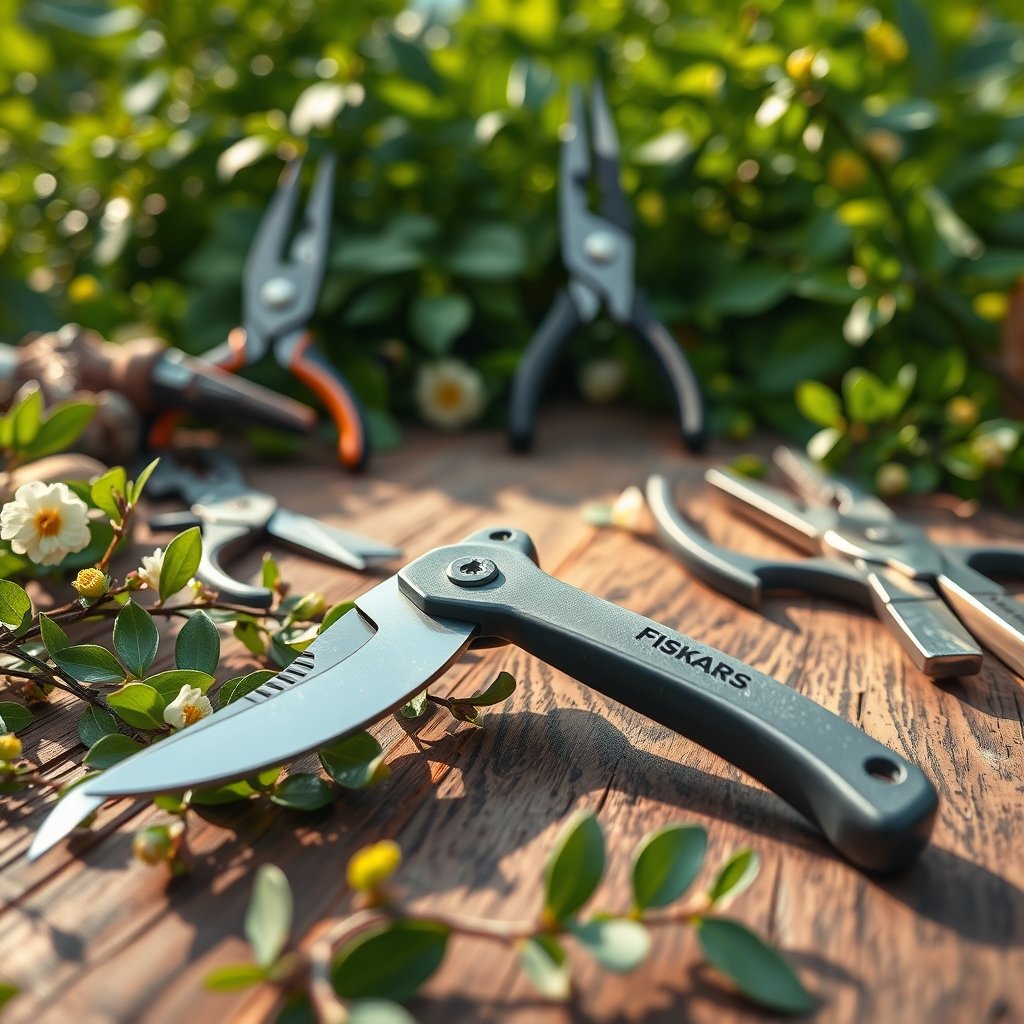
Key Features of the Pruning Shears
- Self-cleaning groove: The sap groove keeps the blades from sticking, ensuring smooth, effortless plant trimming even with sticky plants or high sap flow.
- Precision-ground sharp blades: These steel blades maintain their edge, making garden shears by Fiskars effective for a wide range of cutting tasks over many seasons.
- Non-slip grip & ergonomic handle: Designed for comfort, it minimizes hand fatigue during prolonged use with a built-in safety lock for secure storage.
- Rust-resistant coating: The low-friction layer protects the blades from sap, moisture, and corrosion, which helps this model last longer under tough outdoor conditions.
Each of these features highlights Fiskars’ commitment to providing high-quality gardening tools for gardeners of all levels.
Real-World Performance Testing
In actual use, these pruning shears can cut through stems up to 5/8 inch with little resistance. The sharp blades ensure you can tackle everything from deadheading flowers to prepping larger branches for compost. Testers noted that the self-cleaning groove made a big difference, reducing blade gumming during heavy sap situations and speeding up garden maintenance sessions.
The non-slip grip held secure, even when working with wet or muddy hands, ensuring confidence in every motion. Thanks to the ergonomic handle and balanced design, most users found hand strain far less than with conventional gardening scissors. The safety lock functioned smoothly for secure closure and quick storage.
As with any plant trimming tool, there are practical limitations. Very thick and old branches may exceed these shears’ comfort zone, requiring a more robust branch cutter or lopper. Still, the pruning shears performed exceptionally well for daily garden upkeep.
For more tips on garden maintenance and complementary tools, see our complete seed starter system guide. You can also get ideas for watering solutions or discover space-saving composting bins for your yard.
Consumer Reports and The Home Depot confirm the pruning shears’ exceptional value for typical gardeners who want sharp and reliable cutting tools.
How It Compares to Alternatives
This product holds a sweet spot between price and performance. Compared to alternatives like the Corona ClassicCUT Bypass Pruner or the Felco F-2, Fiskars delivers competitive sharpness and durability at a more approachable price point.
Unlike many garden shears in its price range, this model’s steel blades with rust-resistant coating ensure longevity. While Felco offers a replaceable blade, the value and warranty of Fiskars are difficult to beat for most everyday gardening tasks.
5 Pruning Shear Tips For Your Daily Usage
Tip 1: Never Prune With Dirty or Unsterilized Blades The single most damaging mistake gardeners make with pruning shears is moving from plant to plant without sterilizing the blades between cuts. Fungal spores, bacterial infections, and viral pathogens transfer directly from an infected plant to a healthy one on the blade surface in a single cut — introducing disease into plants that had no prior exposure and would never have developed the problem naturally.
Professional gardeners sterilize their blades with isopropyl alcohol between every plant and after every encounter with visibly diseased material. A thirty-second sterilization habit applied consistently across a season protects the entire garden from cross-contamination that years of careful cultivation cannot undo once it takes hold.
Tip 2: Match the Shear Type to the Branch Diameter Before Every Cut Bypass pruning shears are designed for live stems up to three quarters of an inch in diameter — the clean scissor-like action of two curved blades passing each other produces a precise cut that heals rapidly and minimizes tissue damage. Forcing bypass shears through a branch that exceeds their rated capacity crushes the stem rather than cutting it, leaving a ragged wound that heals slowly, invites disease, and stresses the plant at exactly the point where clean recovery is most important.
Anvil shears handle larger diameters but damage soft green stems that bypass shears would cut cleanly. Knowing which tool the branch diameter requires before the cut is made is what separates gardeners whose plants recover quickly from those whose plants struggle after every pruning session.
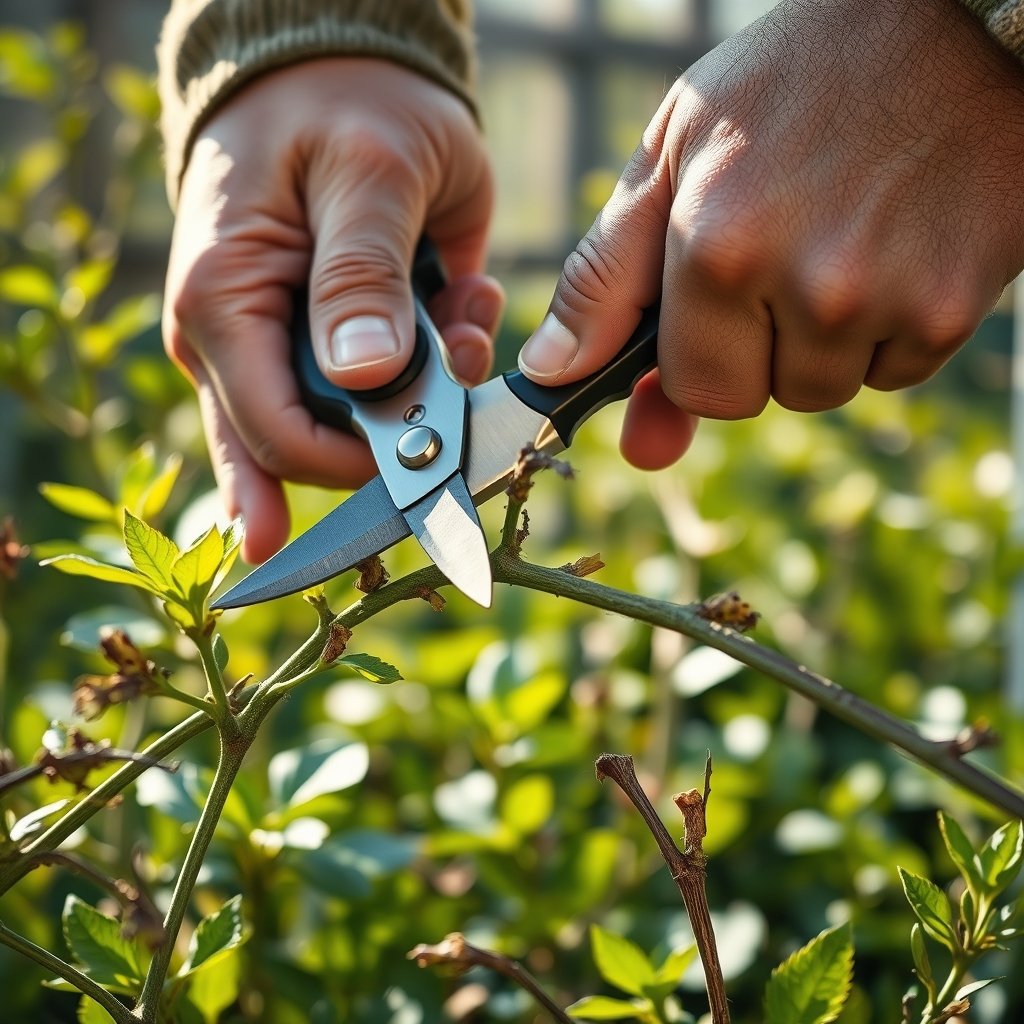
Tip 3: Cut at the Correct Angle and Position Relative to the Node Where and how the blade meets the stem determines whether the plant heals cleanly or develops a dead stub that becomes an entry point for rot and disease. The correct cut is made at a 45-degree angle approximately a quarter inch above a healthy outward-facing bud or node — angled so that the high point of the cut is on the same side as the bud and the low point angles away from it.
This angle sheds water away from the cut surface, directs new growth outward rather than toward the center of the plant, and leaves the minimum possible stub length for the plant to reabsorb cleanly. A flat cut, a cut too close to the node, or a cut too far above it each produce predictably different problems that compound over multiple pruning seasons.
Tip 4: Sharpen the Blades Regularly and Learn to Recognize When They Need It A pruning shear blade that requires more force than usual to cut through a stem of familiar diameter is already dull enough to be causing plant damage on every cut made with it. Dull blades crush and tear plant tissue rather than slicing through it cleanly — creating wounds that are dramatically larger than a sharp blade would produce, healing far more slowly, and leaving the plant vulnerable to infection at the wound site for weeks rather than days.
Sharpening pruning shear blades with a whetstone or diamond file takes under five minutes, requires no specialist knowledge, and is one of the highest-return maintenance habits in the entire garden tool kit. Inspect blade sharpness at the beginning of every pruning session rather than waiting for the performance to degrade visibly during use.
Tip 5: Time Your Pruning to the Plant’s Growth Cycle — Not to Your Schedule Pruning at the wrong point in a plant’s annual growth cycle produces consequences that range from reduced flowering to severe stress responses that set the plant back by a full growing season. Spring-flowering shrubs set their flower buds on the previous year’s growth during late summer — pruning them in late winter or early spring removes every flower bud the plant spent months developing and produces a season of foliage with no blooms.
Summer-flowering plants that bloom on current season growth can be pruned hard in late winter without any flowering impact. Fruit trees have entirely different pruning windows governed by dormancy cycles and disease risk periods specific to each variety. Matching the pruning timing to the specific plant’s biological cycle rather than to a convenient weekend produces healthier plants, better flowering, and results that compound positively across every subsequent growing season.
Who Should Buy This Product?
Homeowners devoted to regular garden maintenance will love the dependable results and ergonomic handle of this tool. It’s especially beneficial for people with small to medium yards, balcony gardens, or container plants due to its light weight and easy handling.
Professional landscapers on a budget might also find it useful for routine plant trimming, though for intensive, daily commercial use, premium-grade options could be more appropriate. Those needing heavy-duty branch cutting should consider a dedicated lopper or saw instead.
Frequently Asked Questions
- How do I maintain the sharp blades for top performance?
Wipe the device clean after each use and occasionally apply light oil to the steel blades to maintain edge retention and prevent rust. - Can this tool handle thick branches?
It’s best suited for stems and branches up to 5/8” in diameter. For thicker branches, a branch cutter or lopper is recommended. - Is there a safety lock feature?
Yes, a built-in safety lock keeps the device secure during transport or storage, making it safer around children and pets. - What makes the pruning shears stand out for garden maintenance?
One standout is the self-cleaning groove, which helps prevent sticking even when working with sappy plants, ensuring uninterrupted workflow for most garden tasks. - Are replacement parts available?
Fiskars offers a lifetime warranty on these gardening scissors, so contact their support for repair or replacement if you encounter defects.
In summary, the pruning shears are a top recommendation for anyone seeking quality, comfort, and performance in their garden toolkit—don’t miss out on elevating your plant care routine with this essential device.