
Small businesses make up 99% of all businesses in America, according to the U.S. Small Business Administration, employing nearly half the private workforce and contributing about half of GDP. That statistic sits behind every shop small halloween campaign that shows up around the holidays, but it’s worth understanding what’s actually verified government data versus what’s a survey-based estimate — and what any of it has to do with a Halloween-specific purchase like a throw blanket from a small, founder-led company.
Table of Contents
The Real Numbers Behind Shop Small Halloween Economic Impact
The SBA’s own figures are unambiguous: America’s 36 million small businesses represent 99% of all businesses nationally, employ close to half of the private-sector workforce, and generate nearly half of the country’s GDP. Those are core SBA statistics, not survey estimates, and they establish just how central small businesses are to the broader economy, independent of any single shopping day or holiday.
Those figures are worth sitting with for a moment, since they’re easy to skim past without registering how large they actually are. Nearly half the private workforce and half of GDP coming from businesses that individually look nothing like a major national retailer is a genuinely different picture of the economy than the one dominated by household-name brands that most people encounter in daily shopping.
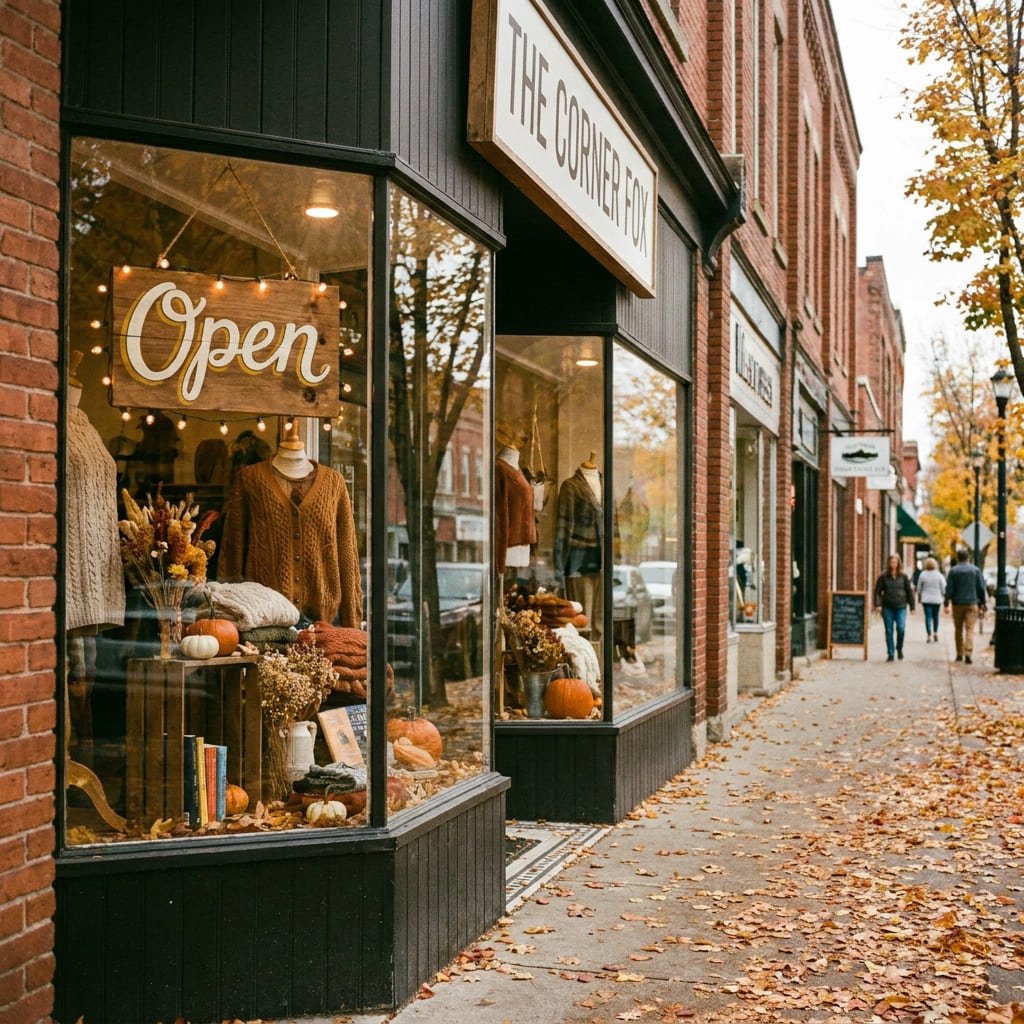
The more specific spending figures tied to Small Business Saturday are worth treating with a bit more nuance. The SBA’s own release cites over $220 billion generated for independent retailers and service businesses since Small Business Saturday began in 2010, and roughly $22 billion spent at local merchants in 2024 specifically. Both figures come from consumer surveys commissioned by American Express — the company that created Small Business Saturday in 2010 — based on self-reported spending rather than actual sales receipts or verified transaction data.
That distinction matters for shop small halloween purchases and shopping decisions generally. It doesn’t mean the figures are wrong, but self-reported survey data carries more uncertainty than direct sales tracking, and it’s worth knowing which numbers in this space are core government statistics versus survey-based estimates commissioned by a company with a direct interest in the campaign’s success.
This isn’t a criticism unique to American Express or Small Business Saturday specifically. Nearly every consumer spending statistic tied to a specific shopping event — Black Friday, Cyber Monday, Small Business Saturday alike — relies on some combination of self-reported surveys and retailer-provided estimates, since no single organization has access to verified transaction data across every small business in the country simultaneously. The SBA citing these figures reflects the best available data on the topic, not a lower standard specific to this campaign.
Where Shop Small Halloween Connects to This Halloween Throw Blanket
This is directly relevant to a specific product already covered on this site. Our Halloween throw blanket review covers a fleece throw made by Serafina Home, a small Massachusetts-based company founded by a mother of two who left a corporate product development career to start an independent home goods brand. That’s a genuine example of exactly the kind of small business the SBA’s broader statistics describe — not a marketing label, but an actual founder-owned company competing against considerably larger manufacturers in the same product category.
Choosing that specific throw blanket over a similar-looking option from a large, anonymous manufacturer is a concrete, individual version of the shop small halloween principle the SBA promotes more broadly. It’s a small decision in isolation, but it’s the same underlying choice — supporting an independent business over a larger competitor — that the aggregate statistics are actually describing.
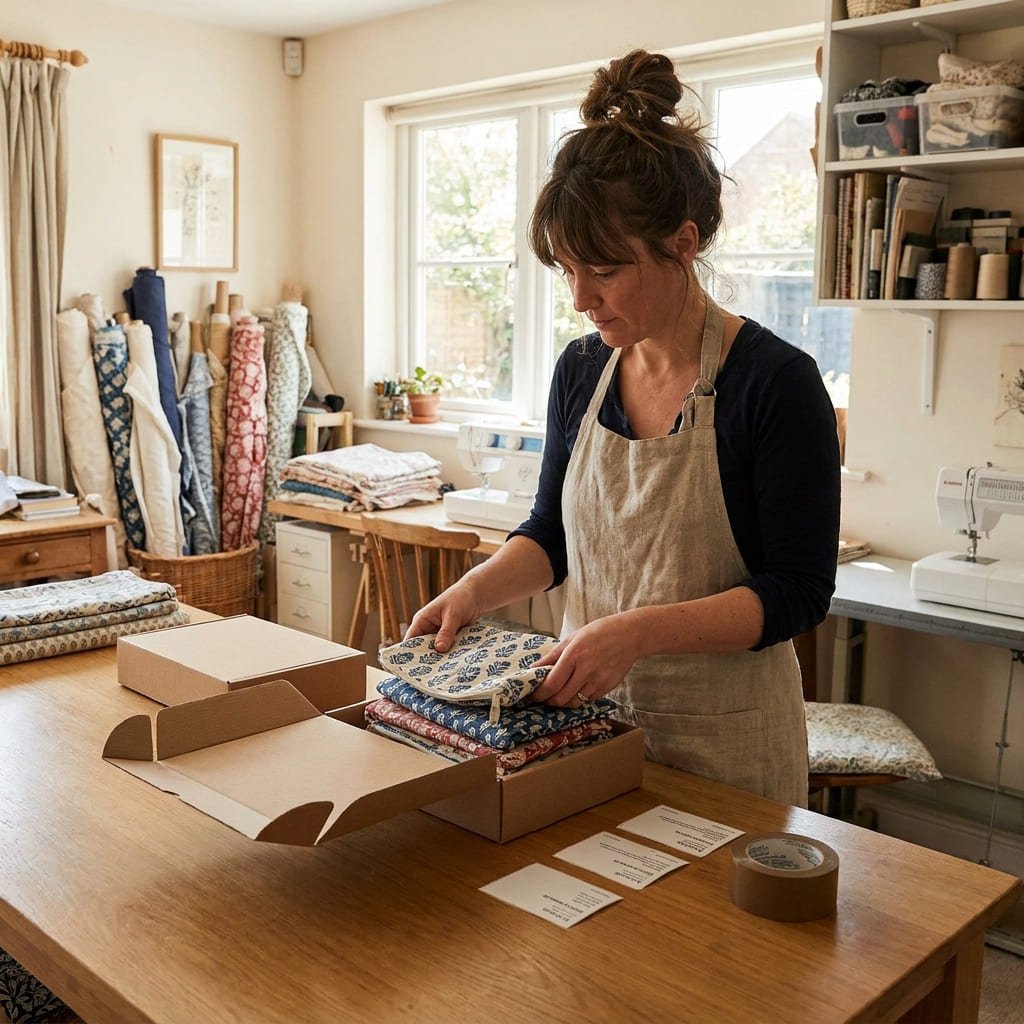
Serafina Home’s specific circumstances are worth mentioning because they’re representative of a broader pattern among small home goods businesses generally. A founder leaving an established corporate career to start an independent company is a common origin story precisely because it requires giving up income stability and existing infrastructure in exchange for control and independence — a real tradeoff that larger manufacturers, by definition, don’t have to make. That tradeoff is part of what distinguishes a genuine small business origin story from a marketing narrative invented after the fact by a company that was never actually small to begin with.
What Actually Makes a Purchase Genuine Shop Small Halloween Support
This is worth being precise about, since the label gets used loosely. A product selling on a large marketplace platform like Amazon doesn’t automatically mean it isn’t a small business — plenty of genuinely small, founder-owned companies sell primarily or entirely through large marketplaces, since building independent retail infrastructure from scratch is often unrealistic for a company of that size. The more relevant question isn’t which platform a product sells on, but who actually owns and operates the company behind it.
Founder stories, like Serafina Home’s, are one of the more reliable signals available to an individual shopper trying to answer that question, since they’re specific and checkable rather than a vague “family-owned” label with no further detail. A listing that names an actual founder, an actual location, and an actual professional background before starting the company gives a shopper something concrete to evaluate, compared to branding language alone.
By contrast, generic phrases like “artisan-crafted” or “family business” with no further detail are considerably less informative, since they can technically apply to companies of vastly different sizes and structures, including some that aren’t meaningfully smaller than a large manufacturer at all. A specific name, a specific city, and a specific career-change story carry more evidentiary weight than a marketing phrase alone, precisely because they’re details that could be checked or contradicted if untrue.
This kind of specificity check is worth applying consistently to shop small halloween decisions generally, not just to this one throw blanket. A listing that describes itself only as “handmade” or “small batch,” without naming who actually makes it or where, is giving a shopper considerably less to evaluate than one that provides a real name, location, and background — regardless of which one is actually the smaller operation in reality.
Applying Shop Small Halloween Thinking to Broader Shopping Decisions
Our Halloween spending roundup already covers this year’s national data on how much households are spending on Halloween overall, and decorating specifically ties as the single most common way people celebrate the holiday. Within that broader spending category, individual purchase decisions — a throw blanket, pillow covers, a doormat — each represent a small opportunity to choose a smaller, founder-led company over a larger manufacturer, if that’s a priority worth factoring into the decision.
This isn’t a suggestion that every Halloween purchase needs to come from a small business, or that doing so is inherently superior on every dimension. Larger manufacturers often offer real advantages in price, consistency, and available inventory that a smaller company genuinely can’t match. The shop small halloween framing is most useful as one additional factor to weigh, alongside price, materials, and design, not a rule that overrides every other consideration.
Halloween decorating purchases specifically tend to span a wide range of company sizes within the same broad product category, more so than some other shopping categories where a handful of large manufacturers dominate almost entirely. Seasonal, design-forward home goods — throws, pillow covers, wall decor — are exactly the kind of product where a small, founder-led company can compete on design and originality even without matching a large manufacturer’s price point or production scale, which is part of why this category offers more realistic shop small halloween opportunities than, say, basic household hardware or appliances typically would.
The Honest Limits of Shop Small Halloween Framing
It’s worth being direct about what this framing doesn’t establish. Buying one specific throw blanket from one specific small business doesn’t meaningfully move the aggregate statistics cited above, and no single purchase decision should be treated as more economically significant than it actually is. The value of choosing a small business, at the individual level, is really about which company benefits from that specific purchase — not a meaningful contribution to the broader $22 billion figure on its own.
It’s also worth acknowledging that “small business” isn’t inherently synonymous with better quality, better value, or better ethics. Some small businesses genuinely outperform larger competitors on all three; others don’t. The honest case for shop small halloween purchasing is about where the money goes and who it supports, not an assumption that smaller automatically means better in every respect.
A useful mental model here is treating shop small halloween choices as a tiebreaker rather than a deciding factor. When two products are genuinely comparable on price, quality, and design, choosing the one from a smaller, founder-led company is a reasonable way to break that tie. When they aren’t comparable — when a larger manufacturer offers a meaningfully better product at a meaningfully better price — insisting on the small business option purely on principle stops being about supporting a company you’d genuinely choose anyway, and starts being about the label itself, which is a less honest reason to make the purchase.
Frequently Asked Questions
Are the shop small halloween statistics from the SBA or from a private company? Both, depending on the specific figure. The broad economic statistics (99% of businesses, half of private workforce, half of GDP) are the SBA’s own data. The specific spending figures ($22 billion, $220 billion) come from consumer surveys commissioned by American Express, the company that created Small Business Saturday.
Is the Halloween throw blanket reviewed on this site actually from a small business? Yes — it’s made by Serafina Home, a Massachusetts-based company founded by a mother of two who left a corporate career to start an independent home goods brand, a verifiable and specific founder story rather than vague branding language.
Does selling on Amazon mean a company isn’t a small business? No. Many genuinely small, founder-owned companies sell primarily through large marketplaces like Amazon, since building independent retail infrastructure is often unrealistic at their scale. Marketplace choice doesn’t determine business size or ownership structure.
Should every Halloween purchase come from a small business? Not necessarily. Larger manufacturers often offer genuine advantages in price, consistency, and inventory availability. Shop small halloween framing works best as one factor among several, not a rule that overrides every other consideration in a purchase decision.
How much do small businesses actually contribute to the U.S. economy, and why does that matter for shop small halloween shopping specifically? According to the SBA’s own data, America’s 36 million small businesses represent 99% of all U.S. businesses, employ nearly half the private-sector workforce, and generate close to half of the country’s GDP.
The Bottom Line on Shop Small Halloween Shopping
The economic case for shop small halloween purchasing rests on genuinely solid ground at the aggregate level — small businesses really do represent the vast majority of American businesses and a substantial share of employment and GDP, according to the SBA’s own core statistics. The specific dollar figures tied to shopping days deserve a bit more skepticism, since they trace back to self-reported consumer surveys rather than verified sales data.
None of this requires treating every Halloween purchase as a referendum on shop small halloween values. It’s simply useful to know, when a genuine shop small halloween choice exists between comparable options, which one actually reflects a founder-owned business and which one doesn’t — and to make that distinction based on specific, checkable details rather than marketing language alone.
This article reflects data published by the U.S. Small Business Administration relevant to shop small halloween shopping decisions, including figures the SBA itself attributes to consumer surveys commissioned by American Express. It is not a substitute for independent financial or business research.