

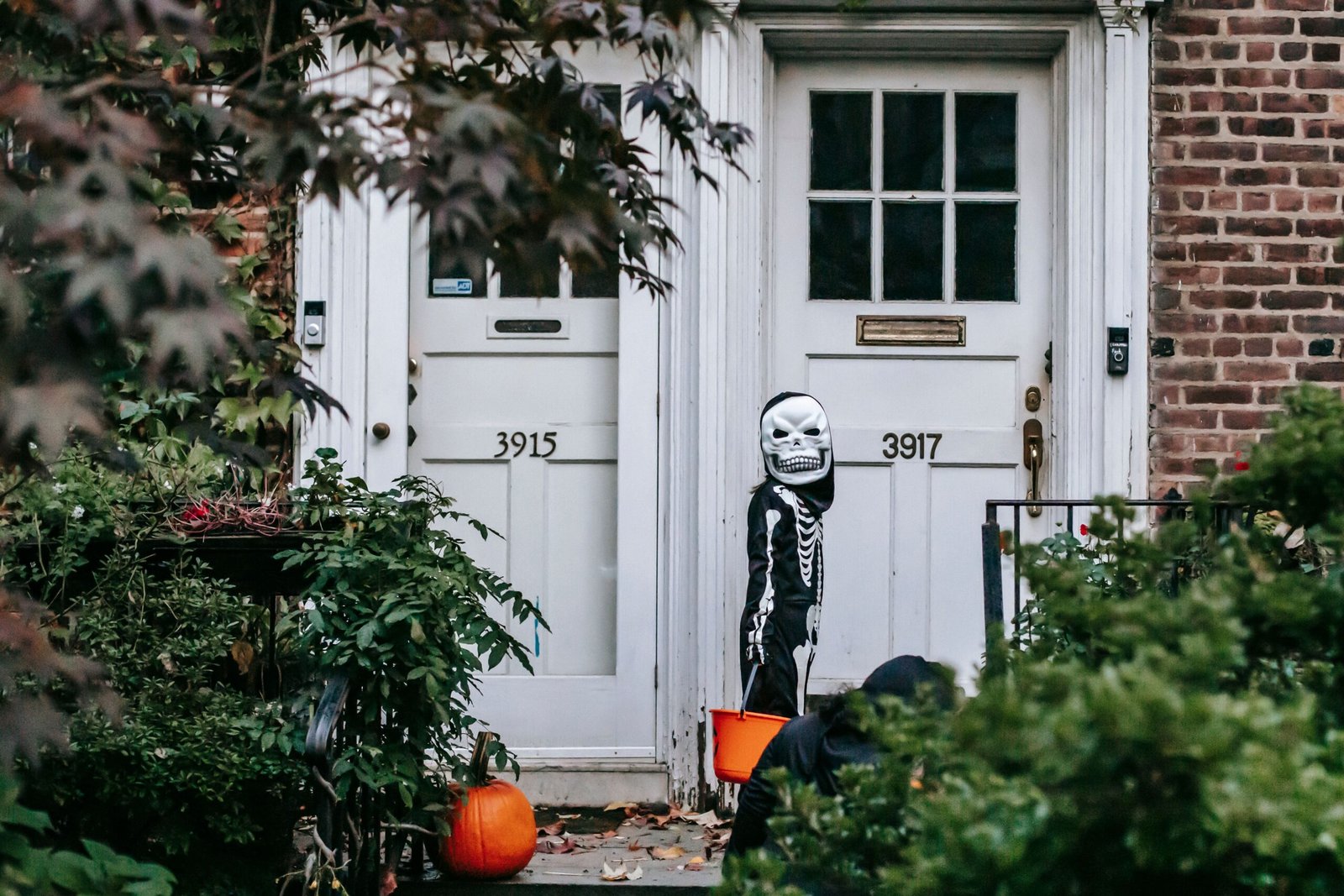
Halloween spending hit a record $13.1 billion in the most recent national survey, and halloween decorating tied for the single most popular way people actually celebrate. That’s not a marketing claim — it’s what the National Retail Federation’s own consumer research found when it asked over 8,000 people how they were actually spending their money this season.
What’s interesting isn’t just the total. It’s where the spending is going, and what that says about which parts of a Halloween setup are actually worth prioritizing if you’re getting started this year.
Table of Contents
What This Year’s Halloween Spending Data Says Everyone Is Actually Doing
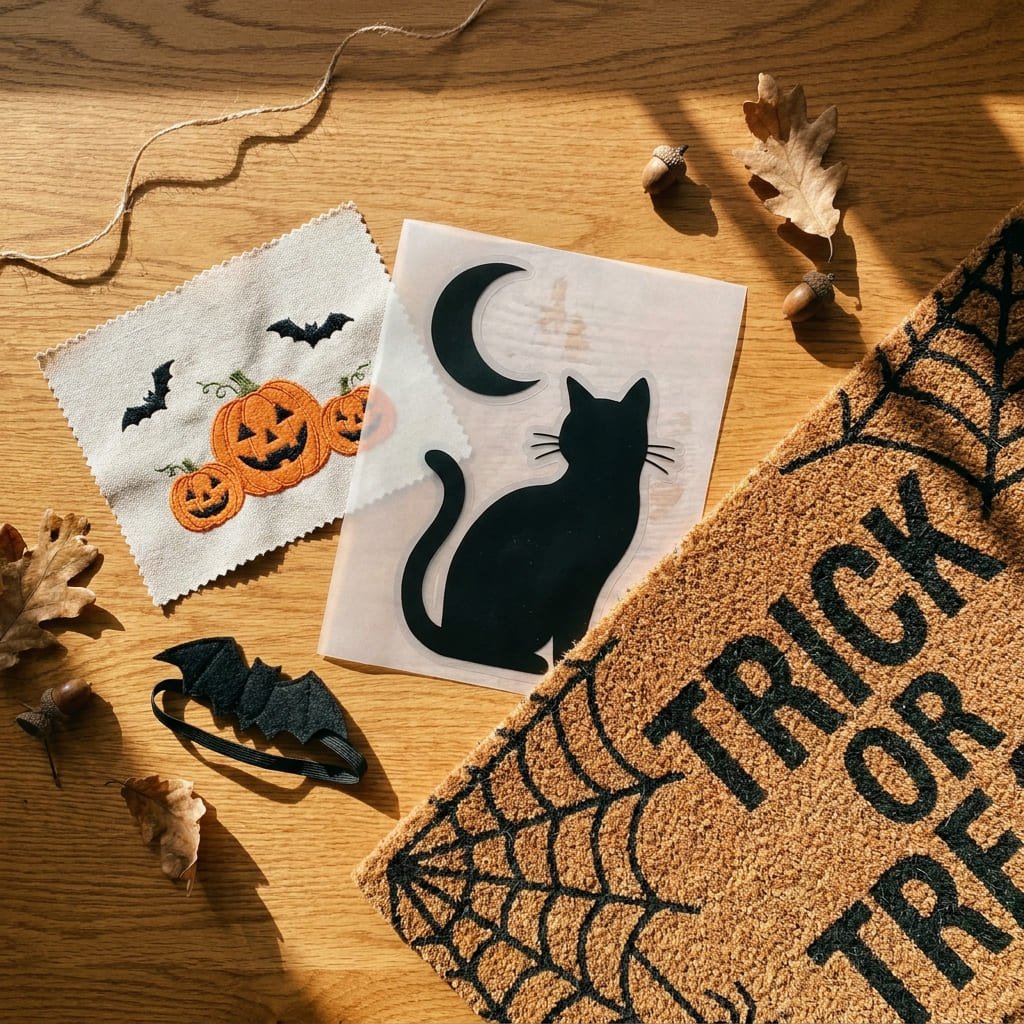
According to the NRF’s most recent annual survey, 78% of shoppers planned to buy Halloween decorations, spending an estimated $4.2 billion in total — more than was spent on costumes for adults. Decorating the home or yard tied with dressing in costume as the single most common Halloween activity, each reported by 51% of respondents.
Pets have become part of that picture too. Nearly a quarter of shoppers (23%) said they planned to dress up a pet for Halloween, up from the year before, with total pet costume spending reaching $0.86 billion nationally. That’s a meaningful chunk of the holiday’s overall spending going toward something that, a decade ago, would have been a niche purchase.
Nearly half of shoppers (49%) said they started their Halloween shopping in September or earlier. If you’re only getting your Halloween decorating going now, you’re behind the earliest half of shoppers — but well within the normal range, since the remaining 51% start later than that.
Decorating the Outside of Your House First
Since exterior decorating is where most of that $4.2 billion in decoration spending is actually going, it makes sense to start there rather than with indoor accents nobody outside your household will see. That pattern shows up consistently across this year’s Halloween spending data — the categories getting the most money aren’t the most elaborate ones, they’re the most visible ones.
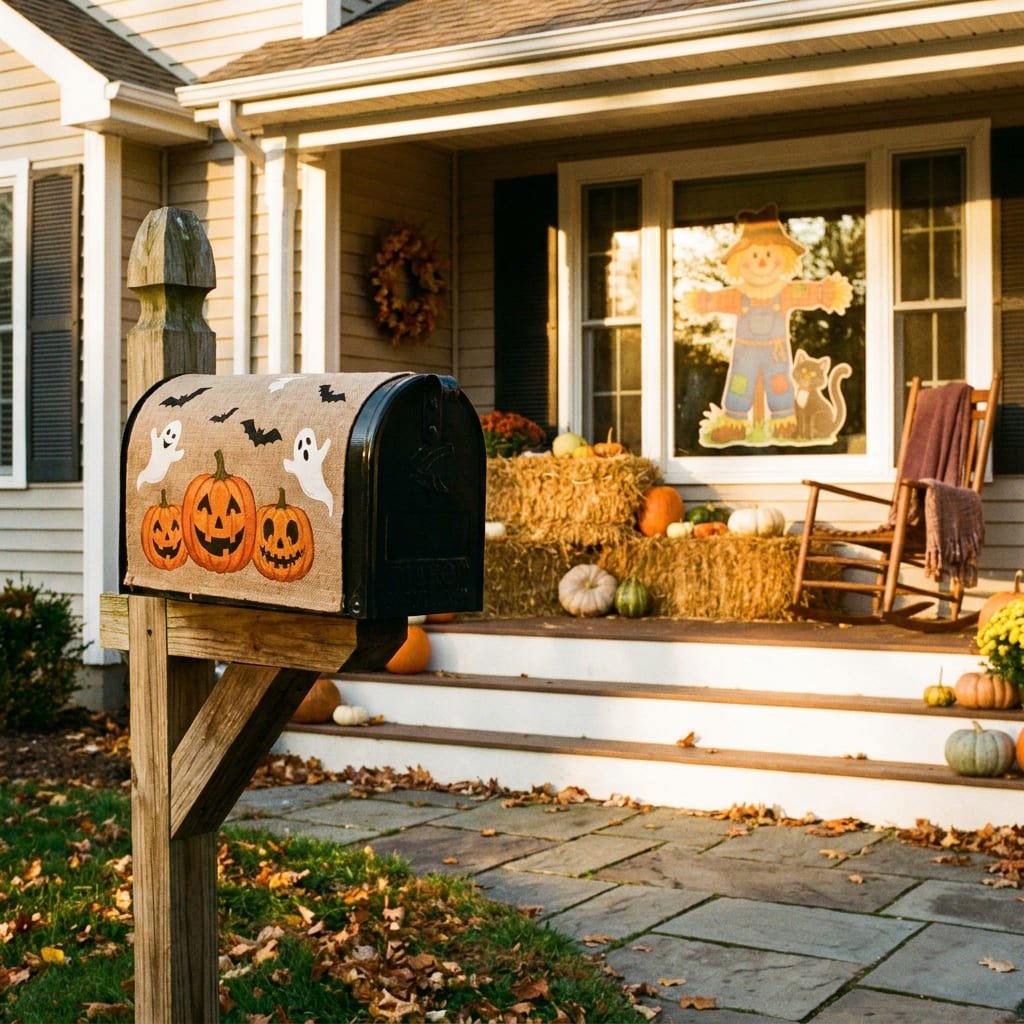
A mailbox is one of the most visible, least decorated parts of most front yards, which makes it an easy first project and one of the most cost-effective ways to put a dent in your Halloween spending. Our Halloween mailbox cover review walks through five different ways to style one, and it’s a project that takes minutes rather than hours — a reasonable starting point if you’re catching up on this year’s Halloween decorating later than the early-shopping crowd.
Windows are the other exterior surface that gets overlooked. They’re visible from the street day and night, and unlike outdoor decor, they don’t have to survive wind or rain, which keeps this category’s share of total Halloween spending low relative to its visual payoff. We put this to the test in our Halloween window clings review, which answers nine of the most common questions people have before buying — including how well they actually hold up and whether they damage glass on removal.
There’s a practical reason exterior decorating tends to dominate the spending data: it delivers the most visible impact for the least time investment. A mailbox cover goes on in minutes and is visible to every car and pedestrian that passes the property, all day, for the entire season. Window clings offer a similar trade — a few minutes of application time for a display that’s visible around the clock without needing power, batteries, or weatherproofing. Compare that to something like a full yard display, which can take hours to set up and just as long to store afterward, and the appeal of starting with these two categories becomes obvious.
The Entryway Is Where Most Guests Actually Look
Trick-or-treaters, delivery drivers, and anyone walking up to the door all interact with one thing before they see anything else about your Halloween decorating: the doormat. It’s a small, inexpensive category, but it’s also one of the few decorations that gets seen up close rather than from the street — and a category that doesn’t show up as its own line item in national Halloween spending breakdowns, since it typically gets folded into general decor spending.
Our coir doormat review covers a skeletal-hand welcome design that leans into the season without looking like a decoration you’ll want to throw out by November 1st — durability matters more for doormats than almost any other seasonal purchase, since they take the most physical wear of anything on this list.
This matters more than it might seem, because a doormat that starts falling apart mid-season undercuts the rest of a Halloween decorating effort in a way that’s disproportionate to its cost — and to its share of overall Halloween spending, since doormats are one of the cheapest items on this list. A mailbox cover or window cling that fades slightly over three weeks is barely noticeable; a doormat with fraying edges by mid-October is the first thing anyone standing at the door actually looks down at. Material choice ends up mattering more here than in almost any other category on this list, which is part of why coir specifically tends to hold up better than cheaper woven alternatives.
There’s also a practical case for choosing a design that isn’t exclusively Halloween-themed if you want to get more mileage out of the purchase. A skeletal-hand or bat-motif design reads as autumn-appropriate for weeks before and after the actual holiday, unlike decorations tied to a specific date, which is one more reason the entryway tends to be a smarter investment than more disposable seasonal items.
Don’t Forget the Pets — They’re Part of the Data Now Too
With $0.86 billion going toward pet costumes nationally and nearly a quarter of shoppers dressing up a pet this year, pet costumes have moved from a niche purchase to a real, tracked category of Halloween spending. Pet costumes are now one of the fastest-growing lines in the overall Halloween spending breakdown, which is part of why they’ve earned a section of their own here rather than being treated as an afterthought. If you’re decorating the house, it’s worth deciding early whether the pets are getting included too, since costume acclimation — especially for cats — tends to go better with more lead time.
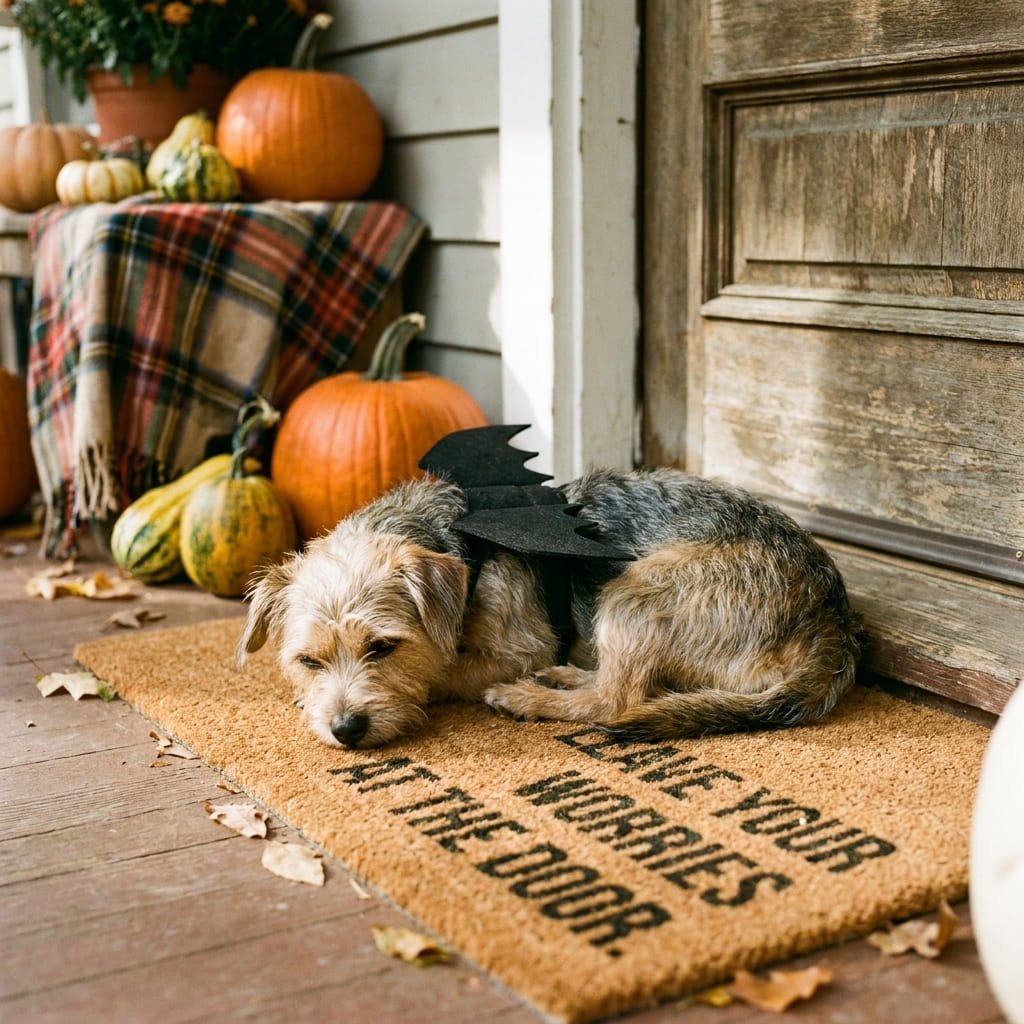
Our cat bat wings costume review covers a chest-and-neck-only design that tends to be far better tolerated by cats than a full-body costume, which matters more than most buyers expect going in. The ASPCA’s Halloween safety guidance makes the same point directly: trying a costume on well before the actual event, and watching for signs a pet is genuinely uncomfortable, matters more than how elaborate the costume looks.
Dogs generally have an easier time with this kind of Halloween decorating extension than cats do, simply because most already tolerate a collar or harness — a chest-and-neck accessory is a relatively small step up from something they’re already used to wearing. Cats are a different story, which is part of why the specific design of a pet costume matters so much more for them than the design itself matters for most other categories of Halloween spending on this list.
A Simple Timeline If You’re Just Starting Now
Given that half of shoppers already started before this article was written, here’s a realistic order of operations for anyone catching up rather than planning from scratch, based on how this year’s Halloween spending actually broke down by category.
Two to three weeks out: Handle the exterior first, since it takes the least effort per visual impact and typically the smallest share of total Halloween spending. A mailbox cover and window clings can both go up in a single afternoon and don’t require any real planning around weather or delivery timing if ordered promptly. This is also the point where it’s worth deciding on a loose theme — even something as simple as picking one color palette or motif across the mailbox and windows — so the individual pieces read as one coordinated Halloween decorating effort rather than a handful of unrelated purchases.
One to two weeks out: Address the entryway. A doormat swap is quick, but ordering with enough buffer avoids the scramble that comes from a shipping delay right before the holiday. This is also a reasonable point to reassess the exterior pieces put up two weeks earlier — checking that a mailbox cover hasn’t shifted in wind, or that window clings are still adhered properly, before guest traffic picks up in the final stretch.
One week out: If pets are part of the plan, this is the window for a supervised trial run with any costume or accessory, rather than trying it on a pet for the first time on Halloween night itself. This stage matters more than most people budget time for — a pet that’s had a full week of short, positive exposure to a costume behaves very differently on the actual night than one encountering it for the first time under party lighting and unfamiliar noise.
The final days: This is realistically when candy, last-minute costume pieces, and anything that needs to be fresh (rather than durable) should be purchased — which lines up with why discount stores remain the top destination for last-minute Halloween shopping, according to the same NRF survey. By this point, the exterior decorating, the entryway, and any pet costume acclimation should already be handled, leaving the final days free for the things that genuinely can’t be done any earlier.
What the Spending Data Actually Suggests
The clearest signal in this year’s numbers isn’t the total dollar figure — it’s the shift in what that Halloween spending is going toward. Decoration spending and pet costume spending have both grown as categories, while candy remains the single largest line item but isn’t growing as a share of the total. That suggests more households are treating Halloween as a home-decorating occasion and a pet-inclusive one, not just a candy-and-costume holiday for kids.
None of that requires an elaborate setup. The most visible parts of the average Halloween display — the mailbox, the windows, the entryway, and increasingly the family pet — are also the least expensive and fastest to put together, which may be exactly why they show up so consistently in the Halloween spending data.
It’s worth noting what the data doesn’t show, too. There’s no indication that more elaborate or expensive Halloween decorating actually correlates with higher satisfaction — the survey measures spending and participation, not enjoyment. The categories seeing the fastest growth (decorations and pet costumes) are also, not coincidentally, some of the least expensive and lowest-effort items on the list. That’s a reasonable argument for prioritizing the simple, visible touches covered here over a more ambitious display that eats up a full weekend to assemble.
Frequently Asked Questions
When should Halloween decorating actually start, based on the data? Nearly half of shoppers (49%) start their Halloween spending in September or earlier, but the majority still start later than that. There’s no hard deadline — starting two to three weeks before Halloween is enough time to handle exterior decorating, an entryway update, and a pet costume trial run without rushing.
Is spending on Halloween decorating actually increasing? Yes. This year’s Halloween spending data recorded $4.2 billion spent on decorations, with 78% of shoppers planning a purchase — both figures higher than the year before, and decorating the home or yard tied as the single most common Halloween activity overall.
Are pet costumes a real trend or a niche purchase? The Halloween spending data suggests it’s becoming a real trend rather than a niche one. Nearly a quarter of shoppers (23%) planned to dress up a pet this year, with total pet costume spending reaching $0.86 billion nationally.
What’s the easiest place to start Halloween decorating if I’m short on time? Exterior touches like a mailbox cover or window clings typically take the least time relative to visual impact, since they don’t require rearranging a room or committing to an elaborate theme.
Do pets actually tolerate Halloween costumes well? It varies by pet and by costume design. Chest-and-neck-only accessories tend to be tolerated better than full-body costumes, and a supervised trial run before the actual event — as recommended by the ASPCA — meaningfully improves the odds.
The Bottom Line
The data backs up something that’s fairly intuitive once you see the numbers laid out: Halloween spending on decorating isn’t a fringe activity anymore, and neither is including pets in it. Whether you’re starting with the mailbox, the windows, the doormat, or the family cat, the most popular parts of this year’s $13.1 billion Halloween spending season are also the simplest ones to actually pull off.
Halloween spending figures cited in this article come from the National Retail Federation’s 2025 annual consumer survey, conducted by Prosper Insights & Analytics.
[…] Halloween spending roundup already covers this year’s national data showing decorating tied as the single most common […]
[…] Halloween spending roundup already covers this year’s national data showing decorating tied as the single most common […]
[…] exists in a vacuum from the broader decorating decisions covered elsewhere on this site. Our Halloween spending roundup covers this year’s national data on how much households are spending on Halloween overall, […]
[…] Halloween spending roundup already covers this year’s national data on how much households are spending on Halloween […]
[…] Halloween spending roundup already covers how much households spend on Halloween decorating overall, and material choice — […]